
The quest for technological advance dates to our most ancient ancestors’ struggle for daily survival and instinctive need to fashion tools from which they could gain physical advantage beyond the strength of the relatively frail human body.
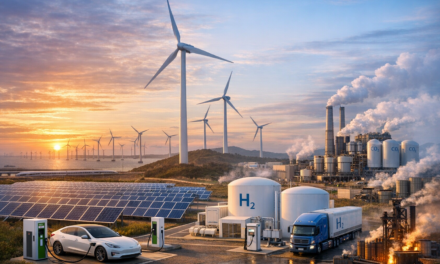
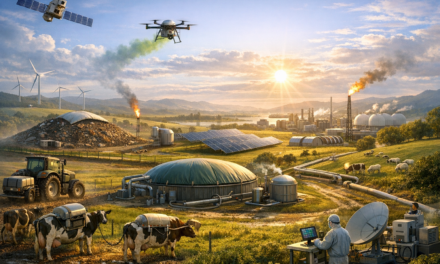
Along with physical needs, humans also harbored an innate curiosity into the workings of the Cosmos, and this longing to understand our place in the natural world remains a key component upon which science is built. But science sometimes speaks truths we might not wish to hear, and at this time in human history science is speaking clearly, with a chorus of voices, that with regard to the human activities that drive climate change, it is now time to fuse our science and technology with our noblest qualities of caring, commitment, and sacrifice so that our children enjoy the pleasures of the good Earth.
Large-scale natural disasters are sometimes capable of causing a rapid climate change. One example of abrupt climate change occurred in August 1883, when a series of huge eruptions of the Krakatoa volcano in Indonesia sent ash 50 mi (80 km) into the atmosphere.
The penetration of sunlight through the ash-laden atmosphere to Earth’s surface was restricted so much that the average global temperature during the next year was more than 2º F (1.1º C) below normal. Krakatoa is a good example of two aspects that define an abrupt climate change: the speed of the change, and a change in global temperature of at least a degree Fahrenheit or Celsius.
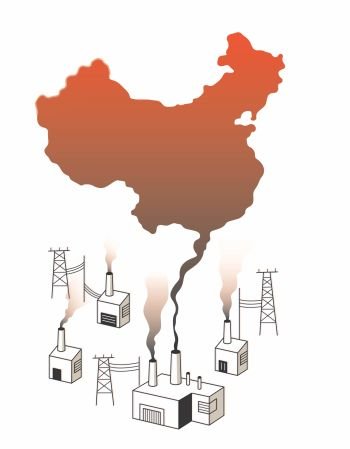
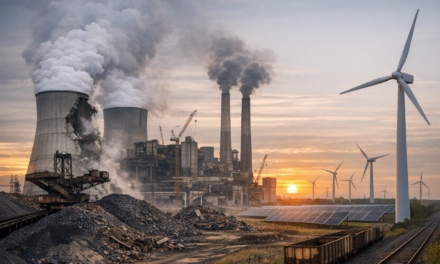
Global warming-the warming of the atmosphere that has been accelerating since the mid-twentieth century, and which may be a consequence of human activities-has generated worry among many people that Earth’s climate is poised to undergo a drastic shift.
Since the mid-twentieth century, atmospheric warming has been gradually accelerating. The examination of past markers of climate-such as plant fossils, tree growth rings, and material in the sediment that is deposited over time on the bottom of lakes-has revealed abrupt climate change in the past. As such, the scientific consensus is that a drastic climate shift in the future is not only conceivable but could be likely.
Humankind’s role in this future, however, is unclear, as evidence for the role of global warming in tipping the scale toward an abrupt climate change is still controversial.