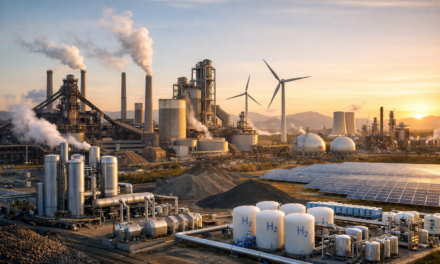

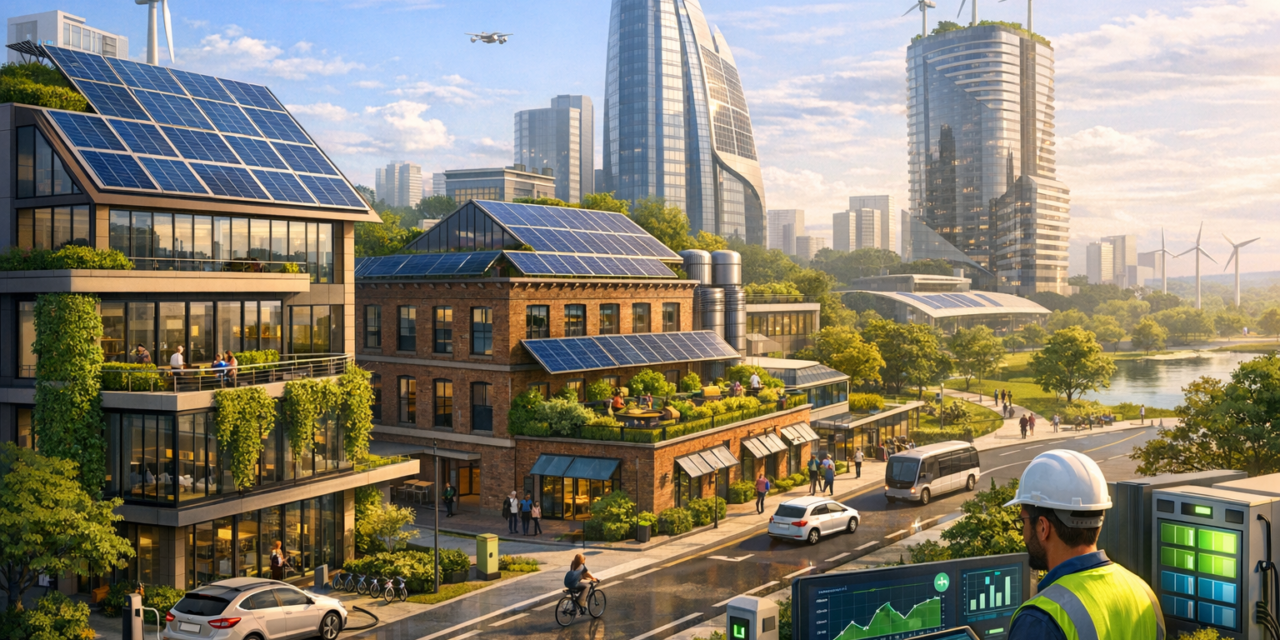
The built environment stands as a significant contributor to global greenhouse gas emissions, playing a pivotal role in the ongoing climate crisis. Consequently, the imperative to transition towards a sustainable and decarbonized future has propelled the concept of net zero buildings to the forefront of architectural, engineering, and policy discussions. A net zero building is designed, constructed, and operated in a way that its annual energy consumption is equivalent to the amount of renewable energy generated on site or procured from off site. This ambition extends beyond new construction, encompassing the vast existing building stock through ambitious retrofit programs. As we approach and move through 2026, the landscape of net zero buildings and retrofits is evolving rapidly, driven by technological advancements, shifting policy frameworks, escalating climate concerns, and growing market demand. This essay aims to provide a comprehensive update on the state of net zero buildings and retrofits as of 2026, exploring the key drivers, challenges, innovative solutions, and future trajectories shaping this critical sector. We will delve into the technological innovations in energy efficiency and renewable energy integration, the evolving policy and regulatory landscape, the economic viability and financing mechanisms, and the critical role of retrofitting existing structures. Understanding these multifaceted aspects is crucial for stakeholders across the value chain, from policymakers and developers to architects, engineers, and building occupants, as we strive to create a built environment that aligns with global climate goals.
The Imperative for Net Zero Buildings
The urgency for net zero buildings stems directly from their profound impact on climate change mitigation. Buildings are responsible for a substantial portion of global energy consumption and associated carbon emissions, encompassing both operational energy use (heating, cooling, lighting, appliances) and embodied energy (materials, construction, demolition). The Intergovernmental Panel on Climate Change (IPCC) has consistently highlighted the built environment as a key sector requiring rapid decarbonization to limit global warming to 1. 5 degrees Celsius above preindustrial levels. Achieving net zero status in buildings is a direct response to this scientific imperative. It signifies a paradigm shift from incremental energy efficiency improvements to a holistic approach that aims for complete carbon neutrality over the building’s lifecycle.
The concept of net zero extends beyond mere energy reduction; it necessitates a complete decoupling of building performance from carbon emissions. This involves minimizing energy demand through stringent design and construction standards, and then meeting the remaining demand with renewable energy sources. The benefits of this transition are manifold. Environmentally, net zero buildings drastically reduce greenhouse gas footprints, contributing to cleaner air and mitigating the adverse effects of climate change. Economically, they offer significant long term operational cost savings through reduced energy bills, increased property value, and enhanced resilience against fluctuating energy prices. Socially, they can improve occupant health and well being through better indoor air quality, thermal comfort, and access to natural light. By 2026, the understanding of these benefits has matured, and the focus has shifted from theoretical possibility to practical implementation and scaling. The narrative has moved from “why” to “how” and “how fast,” with increasing pressure to accelerate adoption.
Technological Advancements Driving Net Zero
The pursuit of net zero buildings is inextricably linked to continuous technological innovation. By 2026, several key areas have seen significant advancements, making net zero buildings more achievable and cost effective.
Energy Efficiency Innovations
At the core of any net zero strategy is the drastic reduction of energy demand. This is achieved through a combination of advanced building envelope design, high performance systems, and smart controls.
Advanced Building Envelopes
The building envelope, comprising walls, roofs, windows, and foundations, acts as the primary barrier between the indoor and outdoor environments. Innovations in this area focus on maximizing thermal resistance and minimizing air leakage. By 2026, we see a wider adoption of:
High Performance Insulation Materials: Beyond traditional fiberglass and mineral wool, advanced insulation solutions are becoming more prevalent. Aerogels, vacuum insulated panels (VIPs), and phase change materials (PCMs) offer superior thermal resistance in thinner profiles, crucial for retrofits or where space is constrained. Polyurethane and polyisocyanurate foams continue to evolve with lower global warming potential blowing agents. The development of sustainable insulation derived from recycled materials or bio based sources is also gaining traction, addressing embodied carbon concerns alongside operational performance.
Superior Glazing Technologies: Windows and doors are often the weakest points in a building’s thermal performance. By 2026, triple glazed windows with low emissivity coatings and inert gas fills are becoming standard for new net zero constructions. Advanced dynamic glazing, such as electrochromic and thermochromic glass, which can adjust their tint in response to sunlight or occupant control, offer significant potential for passive solar gain control and glare reduction without compromising natural light. The integration of these high performance windows into building designs is increasingly sophisticated, with attention paid to thermal bridging and airtightness at the frame.
Airtightness and Ventilation Strategies: While sealing a building tightly is crucial for energy efficiency, uncontrolled air leakage can lead to moisture problems and poor indoor air quality. By 2026, rigorous air barrier detailing and testing (e. g. , blower door tests) are standard practice in high performance construction. Crucially, this is coupled with robust mechanical ventilation systems that ensure excellent indoor air quality while recovering heat from outgoing air. Heat recovery ventilators (HRVs) and energy recovery ventilators (ERVs) are now highly efficient, with advanced filtration systems that also improve occupant health by removing pollutants and allergens. The integration of demand controlled ventilation (DCV) systems, which adjust ventilation rates based on occupancy or CO2 levels, further optimizes energy use and air quality.
High Performance Building Systems
Beyond the envelope, the efficiency of active building systems is paramount.
HVAC Systems: The evolution of heating, ventilation, and air conditioning (HVAC) systems has been dramatic. By 2026, the focus is heavily on electrification and hyper efficiency. Heat pumps, particularly air source heat pumps (ASHPs) and ground source heat pumps (GSHPs), are leading the charge, offering efficient heating and cooling by transferring heat rather than generating it directly. Advancements in variable refrigerant flow (VRF) systems and advanced zoning controls allow for precise temperature management in different areas of a building, reducing energy waste. Geothermal systems are becoming more accessible, offering high efficiency and reliability, especially in new developments or large scale retrofits.
Lighting and Appliances: Light Emitting Diode (LED) technology has become ubiquitous, offering substantial energy savings over traditional lighting. By 2026, smart lighting systems with occupancy sensors, daylight harvesting controls, and dimming capabilities are standard for net zero buildings. These systems learn occupancy patterns and adjust lighting levels accordingly, further optimizing energy use. Similarly, the efficiency standards for appliances and equipment have tightened, with Energy Star ratings and equivalent certifications becoming essential considerations. The integration of smart home or building management systems allows for centralized control and monitoring of all energy consuming devices.
Smart Building Technology and Controls
The integration of intelligent building management systems (BMS) and Internet of Things (IoT) devices is a defining feature of net zero buildings by 2026.
Building Management Systems (BMS): Advanced BMS go beyond simple control, offering sophisticated analytics and predictive capabilities. They integrate data from various sensors (temperature, humidity, CO2, occupancy, light levels) to optimize HVAC, lighting, and other systems in real time. Machine learning algorithms are increasingly employed within BMS to learn building usage patterns and anticipate needs, leading to further energy savings and improved occupant comfort.
IoT and AI Integration: The proliferation of IoT sensors and the application of artificial intelligence (AI) are revolutionizing building operations. These technologies enable granular monitoring of energy consumption at the appliance or zone level, identifying inefficiencies and anomalies. AI can optimize system performance based on weather forecasts, utility pricing, and occupant behavior, enabling dynamic load shifting and peak demand reduction. For example, AI can pre cool a building during off peak hours when electricity is cheaper and cleaner, reducing reliance on grid power during peak demand.
Renewable Energy Integration
While energy efficiency minimizes demand, net zero buildings must also generate or procure sufficient renewable energy to meet their remaining needs.
On Site Renewable Energy Generation: Solar photovoltaic (PV) systems remain the most common form of on site renewable energy generation. By 2026, solar technology has become more efficient and aesthetically integrated. Bifacial solar panels, which capture sunlight on both sides, are increasing energy yield. Building integrated photovoltaics (BIPV), where solar cells are incorporated into roofing materials, facades, or windows, are becoming more sophisticated and visually appealing, allowing for generation without compromising architectural design.
Energy Storage Solutions: The intermittency of solar and wind power necessitates effective energy storage. By 2026, battery storage solutions, particularly lithium ion batteries, are becoming more affordable and accessible for both residential and commercial net zero buildings. These systems store excess solar energy generated during the day for use at night or during cloudy periods, and can also provide grid services like peak shaving and demand response. Emerging technologies like flow batteries and solid state batteries are also showing promise for long term grid stability and safety.
Off Site Renewable Energy Procurement: For buildings where on site generation is not feasible or sufficient, procuring renewable energy from off site sources is a critical strategy. Power purchase agreements (PPAs) for solar or wind farms, as well as renewable energy certificates (RECs), allow buildings to offset their grid electricity consumption with verifiable renewable sources. Green tariffs from utility providers are also becoming more common, enabling consumers to choose electricity generated from renewable sources. By 2026, the traceability and transparency of these off site solutions are crucial to ensure genuine decarbonization.
The Policy and Regulatory Landscape
Policy and regulatory frameworks are indispensable drivers for the widespread adoption of net zero buildings and retrofits. By 2026, these frameworks are becoming more ambitious, comprehensive, and legally binding.
Building Codes and Performance Standards
Building codes are evolving from prescriptive requirements to performance based standards that mandate specific energy and carbon outcomes.
Net Zero Energy Building Codes: Several jurisdictions have implemented or are in the process of implementing net zero energy building codes for new construction. These codes typically set stringent energy performance targets (e. g. , site energy use intensity) that must be met through a combination of efficiency measures and on site or procured renewable energy. Examples include the Washington State Energy Code, California’s Title 24, and various national frameworks that encourage or mandate net zero ready buildings. By 2026, the implementation and enforcement of these codes are becoming more widespread, with a focus on practical pathways for compliance.
Carbon Performance Standards: Moving beyond energy, there is a growing emphasis on carbon performance standards that limit the embodied carbon of building materials and the operational carbon emissions throughout the building’s lifecycle. This often involves life cycle assessment (LCA) requirements, mandating the use of low carbon materials and the tracking of operational emissions. Regulations like the EU’s Energy Performance of Buildings Directive (EPBD) are increasingly incorporating embodied carbon considerations and setting targets for decarbonizing the building stock.
Incentives and Financial Mechanisms
Governments and financial institutions are providing a range of incentives and financial instruments to accelerate the transition to net zero.
Tax Credits and Rebates: Tax credits for energy efficiency upgrades and renewable energy installations continue to be a significant driver. Programs like the US federal Investment Tax Credit (ITC) for solar and the Inflation Reduction Act (IRA) offer substantial financial support for homeowners and businesses. Rebates for high efficiency appliances, heat pumps, and insulation are also common. By 2026, these incentives are being refined to specifically target net zero goals and deep retrofits.
Green Financing and Loans: The financial sector is increasingly developing green financing products tailored to sustainable buildings. Green bonds, green mortgages, and commercial loans with preferential rates for projects meeting net zero standards are becoming more prevalent. These instruments help de risk investments in energy efficient and renewable energy technologies, making them more attractive to developers and investors. By 2026, the standardization of green finance criteria and the development of robust verification mechanisms are crucial for market confidence.
Performance Contracting: Energy performance contracts (EPCs) are a financing mechanism where a third party service provider invests in energy efficiency upgrades, and the cost savings generated from those improvements are used to repay the investment. This model is particularly effective for large commercial and institutional buildings where upfront capital can be a barrier. By 2026, EPC models are being adapted to encompass deeper retrofits and net zero outcomes.
Mandates for Existing Buildings
Recognizing that the majority of the built environment in 2026 is already in place, policies are increasingly targeting existing buildings.
Energy Benchmarking and Disclosure: Many cities and states are implementing mandatory energy benchmarking and disclosure ordinances. These require building owners to track and report their energy consumption, allowing for performance comparisons and identifying underperforming buildings. By 2026, these programs are being integrated with performance standards that set emission reduction targets for existing stock.
Mandatory Retrofit Programs: A growing trend is the introduction of mandatory retrofit programs or performance standards for existing buildings. These policies set deadlines for achieving specific energy efficiency or carbon reduction targets, often phased in based on building size or type. For example, cities like New York and London have enacted laws requiring large buildings to meet progressively stringent energy performance standards. By 2026, the challenge lies in effectively implementing and enforcing these mandates while providing adequate support for building owners.
Retrofitting the Existing Building Stock
The vast majority of buildings that will exist in 2050 are already built. Therefore, retrofitting the existing building stock for net zero performance is arguably the most significant challenge and opportunity in the journey towards decarbonizing the built environment. By 2026, the strategies and technologies for deep retrofits are becoming more sophisticated and widely understood.
Challenges of Retrofitting
Retrofitting presents a unique set of challenges compared to new construction:
Building Age and Condition: Older buildings may have structural limitations, outdated systems, and materials that are difficult or impossible to upgrade without extensive disruption. Historic preservation concerns can also limit the scope of interventions.
Cost and Financing: The upfront cost of deep retrofits can be substantial, and securing financing can be difficult, especially for smaller property owners. The return on investment may also be longer term and harder to quantify.
Occupancy and Disruption: Major retrofits often require significant disruption to building occupants, necessitating temporary relocation or phased work that can extend project timelines and increase costs.
Information Gaps: Detailed information about the existing building fabric, systems, and energy consumption may be incomplete or unavailable, making accurate assessment and planning difficult.
Deep Energy Retrofit Strategies
A deep energy retrofit aims for significant energy savings, often exceeding 50%, and moves buildings closer to net zero performance. Key strategies include:
Comprehensive Building Envelope Upgrades: This involves adding insulation to walls, roofs, and foundations, replacing single pane windows with high performance glazing, and improving airtightness through careful sealing. For historic buildings, innovative solutions like internal insulation with vapor control layers or highly insulating window restoration techniques are employed.
Electrification of Heating and Cooling: Replacing fossil fuel based heating systems (boilers, furnaces) with electric heat pumps is a critical step. This often requires upgrading electrical capacity and may involve installing supplementary systems for extreme cold.
System Modernization: Upgrading outdated HVAC, lighting, and electrical systems to high efficiency models, often incorporating smart controls and energy recovery.
Integration of Renewable Energy: Installing on site solar PV or other renewable energy sources, and potentially battery storage, to offset remaining energy demand.
The Role of Technology in Retrofits
Technology plays a crucial role in overcoming retrofit challenges and enabling deeper decarbonization.
Advanced Diagnostic Tools: Thermal imaging cameras, blower door tests, duct leakage testers, and building energy modeling software are essential for identifying inefficiencies and planning targeted interventions. By 2026, these tools are more sophisticated and integrated, allowing for more accurate assessments.
Modular and Prefabricated Solutions: Prefabricated insulation panels, window units, and even façade systems can speed up installation, reduce site disruption, and improve quality control during retrofits.
Smart Retrofitting: Integrating smart sensors and controls during retrofit allows for ongoing monitoring, optimization, and predictive maintenance, ensuring that the achieved performance is maintained over time.
Digital Twins: Creating digital replicas of buildings allows for detailed analysis, simulation of retrofit scenarios, and predictive maintenance, leading to more efficient and effective retrofit planning and execution.
Case Studies and Emerging Trends
Numerous pilot projects and commercial developments around the world are showcasing successful deep retrofits. By 2026, we are seeing a growing body of evidence demonstrating the feasibility and benefits of these projects. Trends include:
Focus on Multifamily Housing: Given the large number of people living in apartments, retrofitting multifamily buildings for net zero performance is a major focus. This often involves community engagement and shared financing models.
Scale and Standardization: Efforts are underway to scale up retrofit programs through standardization of processes, prefabrication, and streamlined permitting, making deep retrofits more accessible and affordable.
The “Net Zero Ready” Approach: For older buildings where a full net zero retrofit may not be immediately feasible, the strategy is often to make them “net zero ready” by improving the envelope and upgrading key systems, setting the stage for future integration of renewable energy.
Economic Viability and Financing Models
The economic viability of net zero buildings and retrofits is a critical factor for widespread adoption. By 2026, the business case is strengthening significantly.
Life Cycle Cost Analysis
While the upfront costs of net zero buildings and deep retrofits can be higher than conventional construction, life cycle cost analysis (LCCA) reveals compelling long term savings. Reduced operational energy costs, lower maintenance expenses, and extended building lifespans often outweigh the initial investment over the building’s life. By 2026, LCCA is becoming a standard tool for assessing the financial benefits of net zero projects.
Reduced Operational Costs
The primary economic benefit of net zero buildings is the significant reduction in energy bills. By minimizing energy demand and generating or procuring renewable energy, building owners can achieve near zero or even negative energy costs. This financial predictability is highly attractive in an era of volatile energy prices.
Increased Property Value and Market Demand
There is a growing market demand for sustainable and energy efficient buildings. Net zero certified buildings often command higher rents, attract more tenants, and achieve higher resale values. Investors are increasingly prioritizing assets with strong ESG (Environmental, Social, and Governance) credentials. By 2026, net zero performance is becoming a key differentiator in the real estate market.
Innovative Financing Mechanisms
To address the upfront cost barriers, innovative financing models are crucial:
Public Private Partnerships (PPPs): Collaborations between government entities and private sector organizations can leverage public funds to de risk private investment in large scale net zero projects and retrofits.
Green Bonds and Loans: As mentioned earlier, the proliferation of green finance instruments, backed by clear standards and verification, makes it easier and more attractive to fund net zero initiatives.
On Bill Financing: Utilities are increasingly offering programs where the cost of energy efficiency upgrades or renewable energy installations is added to the utility bill, with the savings from reduced energy consumption offsetting the financing cost. This model is particularly effective for making retrofits accessible to a wider range of property owners.
Performance Based Financing: Beyond EPCs, other models are emerging where financing is tied directly to verified performance outcomes, ensuring that investments deliver the promised savings.
The Role of Carbon Pricing
The increasing implementation of carbon pricing mechanisms (carbon taxes or cap and trade systems) is creating a stronger economic incentive for decarbonizing buildings. As the cost of emitting carbon increases, the financial advantage of net zero buildings becomes more pronounced, accelerating their adoption. By 2026, the global trend towards carbon pricing is expected to intensify, further bolstering the economic case for net zero.
Challenges and Future Outlook to 2026 and Beyond
Despite the significant progress, several challenges remain in the widespread adoption of net zero buildings and retrofits, and the outlook for 2026 and beyond requires a strategic approach to overcome them.
Scaling Up and Workforce Development
Achieving net zero goals requires a massive scaling up of construction and retrofit activities. This necessitates a skilled workforce trained in new technologies and methodologies. By 2026, there is a recognized need for significant investment in education and training programs for architects, engineers, contractors, and tradespeople.
Supply Chain and Material Availability
The demand for sustainable building materials, high efficiency components, and renewable energy technologies is growing rapidly. Ensuring reliable and affordable supply chains, while also addressing the embodied carbon of materials used in the transition, is crucial. By 2026, the industry is focusing on circular economy principles, local sourcing, and innovation in low embodied carbon materials.
Cost Competitiveness
While costs are decreasing, making net zero solutions competitive with conventional options remains a challenge, especially for new construction in some markets. Continued innovation, policy support, and economies of scale are essential to drive down costs further.
Integration with Smart Grids and Smart Cities
Net zero buildings are increasingly seen as active participants in smart grids and smart city ecosystems. By 2026, the integration of buildings with the grid, enabling demand response, vehicle to grid (V2G) charging, and distributed energy resource management, is becoming more sophisticated. This requires robust communication protocols and cybersecurity measures.
Policy Consistency and Long Term Vision
Consistent, long term policy support is vital to provide certainty for investors and developers. Frequent policy shifts or a lack of ambitious long term targets can hinder progress. By 2026, the call for more stable and ambitious climate policies is stronger than ever.
The Future to 2026 and Beyond
Looking ahead to 2026 and beyond, the trajectory for net zero buildings and retrofits is one of accelerating adoption, driven by a confluence of factors:
Increased Policy Ambition: Governments worldwide are expected to set more ambitious climate targets, translating into more stringent building regulations and incentives for net zero.
Technological Maturation: Renewable energy and energy efficiency technologies will continue to improve in performance and decrease in cost, making net zero solutions more accessible.
Growing Market Awareness and Demand: As the benefits of net zero buildings become more widely understood and demonstrated, market demand from tenants, buyers, and investors will continue to rise.
Emphasis on Embodied Carbon: The focus will increasingly shift from operational carbon to embodied carbon, driving innovation in low carbon materials and construction practices.
Integration and Digitization: Buildings will become more integrated with smart grids and digital technologies, enabling enhanced performance optimization and occupant experience.
The challenge of retrofitting the existing building stock will remain paramount. By 2026, we expect to see more scaled up, standardized, and innovative retrofit programs that tackle the complexities of older structures. The journey to net zero buildings is not without its hurdles, but the momentum generated by technological progress, policy drivers, and increasing awareness suggests a future where net zero is not an aspirational ideal but a widespread reality.
Conclusion
The transition to net zero buildings and the ambitious retrofitting of existing structures are indispensable components of global efforts to combat climate change. As of 2026, this sector is characterized by significant advancements in technology, evolving policy landscapes, and increasing economic viability. Innovations in high performance building envelopes, efficient HVAC systems, smart controls, and integrated renewable energy solutions are making net zero achievable and desirable. Policy frameworks, from stringent building codes to targeted incentives and mandatory retrofit programs, are providing the necessary impetus for widespread adoption. The economic case for net zero is strengthening, driven by life cycle cost savings, increased property values, and the growing availability of green financing.
However, considerable challenges persist. Scaling up construction and retrofit activities, ensuring adequate workforce development, securing resilient supply chains, and driving down costs remain critical areas of focus. The complex task of retrofitting the vast existing building stock, particularly older and historic structures, requires innovative solutions and sustained commitment. The future outlook to 2026 and beyond is promising, with continued technological progress, increasing policy ambition, and growing market demand poised to accelerate the net zero transition. The integration of buildings with smart grids and the crucial focus on reducing embodied carbon will define the next phase of development. Ultimately, achieving a built environment that is truly net zero by 2050 will demand a collaborative and sustained effort from all stakeholders, underpinned by a shared vision for a sustainable and resilient future. The progress seen by 2026 underscores that this vision is increasingly within reach, but it requires unwavering dedication to overcome the remaining obstacles and capitalize on the opportunities ahead.
Bibliography
- International Energy Agency. Net Zero by 2050: A Roadmap for the Global Buildings Sector. Paris: IEA, 2025.
- European Commission. Energy Performance of Buildings Directive (Recast). Brussels: EU Publications, 2024.
- World Green Building Council. Advancing Net Zero: Global Status Report 2025. WGBC, 2025.
- Lawrence Berkeley National Laboratory. Smart Buildings and Grid Integration: Emerging Trends. LBNL Technical Report, 2024.
- Jafari, A. & Valentin, V. Deep Energy Retrofits: Methods, Economics and Case Studies. Routledge, 2022.
- Pomponi, F. & Moncaster, A. Embodied Carbon in Construction: Metrics and Mitigation Strategies. Cambridge Built Environment Papers, 2023.
- U.S. Department of Energy. Building Technologies Office: High‑Performance Building Envelopes and HVAC Innovations. DOE Publications, 2024.
- UNEP. Global Status Report for Buildings and Construction 2025. United Nations Environment Programme, 2025.
References:
https://journal-buildingscities.org/articles/10.5334/bc.751
https://journal-buildingscities.org/articles/10.5334/bc.751
https://www.mdpi.com/2075-5309/16/4/879
https://www.researchgate.net/publication/397801901_Net_zero_retrofit_of_the_building_stock
https://journal-buildingscities.org/articles/10.5334/bc.751
https://www.mdpi.com/2075-5309/16/4/879
https://www.researchgate.net/publication/397801901_Net_zero_retrofit_of_the_building_stock