
The global imperative to address climate change necessitates a rapid and profound transformation of our energy systems and industrial processes. Deep decarbonization, defined as achieving near total elimination of greenhouse gas emissions across the economy, is no longer a distant aspiration but an immediate requirement for limiting global warming to 1. 5 degrees Celsius above pre-industrial levels. While the current trajectory suggests significant progress in certain areas, the notion of achieving deep decarbonization across all major sectors by the year 2026 presents an extraordinary, almost unprecedented, challenge. This year, situated just two years from the present moment, demands an immediate, full-scale mobilization of technology, policy, finance, and societal will that stretches the boundaries of current operational capacity. To assess the feasibility and scope of this target, one must examine the current state of key emitting sectors: power generation, transportation, industry, buildings, and agriculture, and evaluate the technological readiness and systemic barriers blocking such an abrupt transition.
The Power Sector: The Leading Edge of Transformation
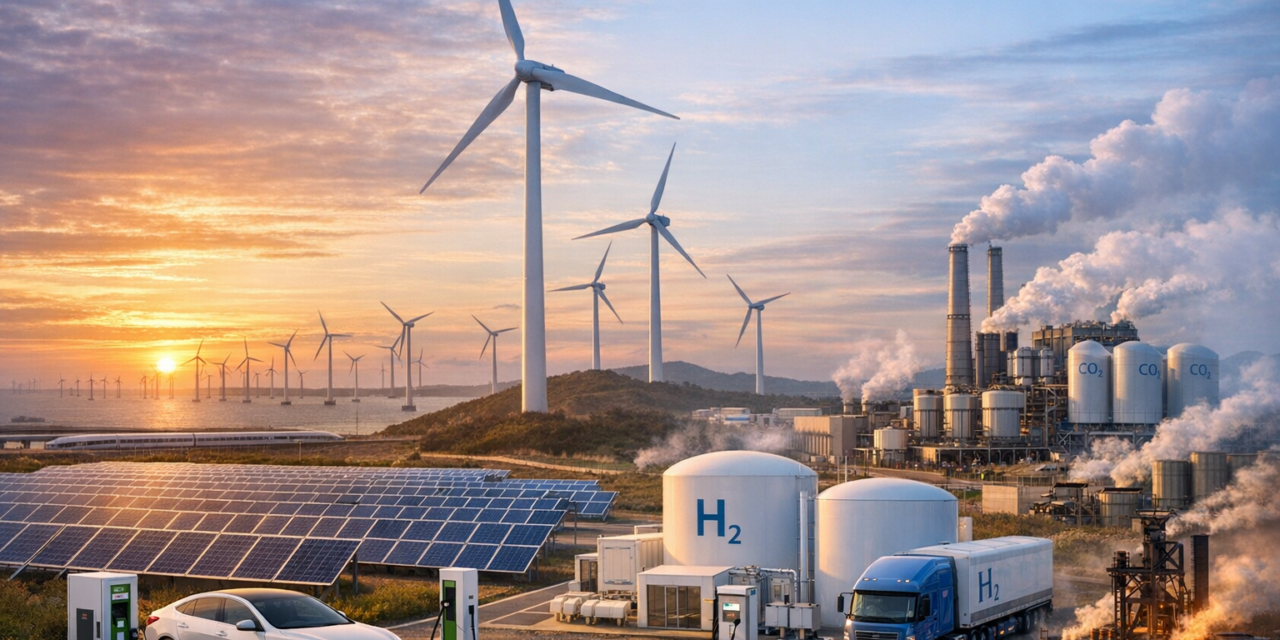
The power sector is often considered the most tractable area for rapid decarbonization, given the maturity and cost competitiveness of renewable energy technologies. Solar photovoltaic (PV) and wind power have seen dramatic cost reductions, making them economically favorable over new fossil fuel plants in many regions globally. To achieve deep decarbonization by 2026, every existing unabated fossil fuel power plant would essentially need to be retired or equipped with functioning, scaled carbon capture and storage (CCS) technology, a monumental undertaking in a mere two years. Furthermore, the grid infrastructure requires massive, simultaneous upgrades to handle intermittent renewable sources. Energy storage solutions, primarily large-scale battery deployment, must accelerate exponentially to ensure reliability when the sun is not shining and the wind is not blowing. While countries like Denmark and Costa Rica demonstrate high levels of renewable penetration, a universal, sector-wide transition across the globe by 2026, encompassing regions reliant on coal such as parts of Asia, requires overcoming entrenched regulatory inertia and massive capital turnover that typically spans decades. The speed required for 2026 surpasses the current buildout rates by orders of magnitude.
Decarbonizing Transportation: Shifting Gears Immediately
The transportation sector, encompassing road, air, and maritime transport, presents unique difficulties due to the high energy density required for heavy-duty applications and long-haul travel. For light-duty vehicles, the shift to electric vehicles (EVs) is underway, driven by mandates and consumer demand. However, achieving deep decarbonization by 2026 means that the vast majority of the global vehicle fleet-hundreds of millions of cars, trucks, and buses-would need to be replaced or converted to zero-emission alternatives within two years, an impossible feat given current manufacturing and charging infrastructure capacity. For aviation and shipping, reliance on fossil fuels remains nearly absolute. Sustainable Aviation Fuels (SAFs) and green ammonia or hydrogen for maritime use are nascent technologies with limited production capacity. Mandating their immediate, widespread adoption by 2026 would instantly cripple global trade and travel due to insufficient supply and extreme cost premiums. Realistically, the focus for 2026 remains on aggressive policy support and scaling demonstration projects, not complete sectoral overhaul.
Industry: The Hard-to-Abate Challenge
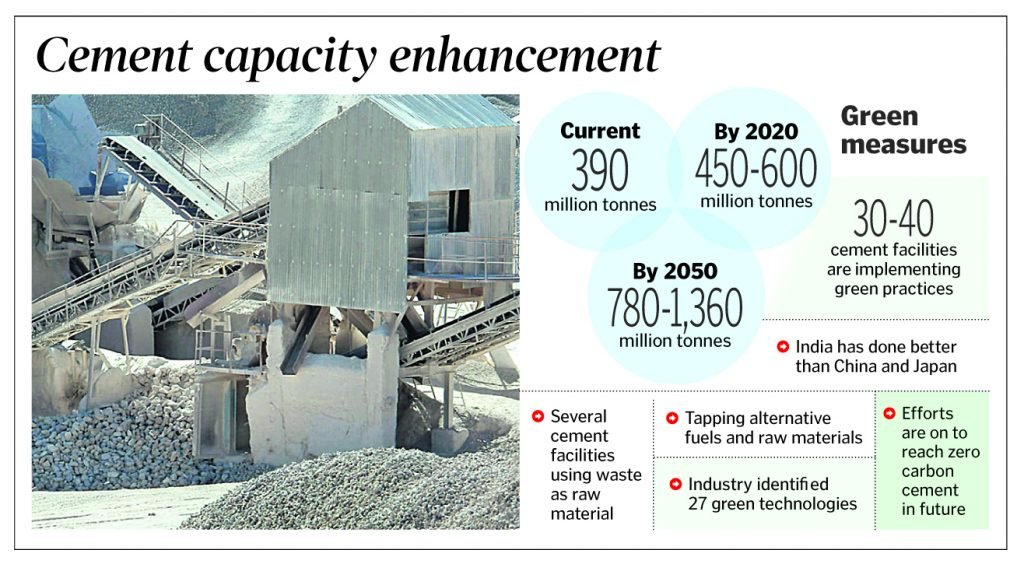
Heavy industry, including steel, cement, and chemicals production, represents the most stubborn challenge for deep decarbonization. These sectors rely on high-temperature heat generated almost exclusively from burning fossil fuels, and in the case of cement production, inherent process emissions are released when limestone is heated. Decarbonizing steel production requires transitioning to green hydrogen direct reduced iron (DRI) processes or scaling up electrolysis, both requiring vast amounts of clean electricity and significant capital investment in entirely new production facilities. Cement production demands breakthrough technologies like industrial-scale CCS or novel clinker substitutes. While pilot projects, such as HYBRIT in Sweden demonstrating green steel production, show promise, scaling these capital-intensive solutions globally in time for a 2026 deadline is infeasible. The long asset lifetimes typical of industrial plants mean that existing infrastructure, built to last decades, cannot be retired and replaced en masse within such a compressed timeframe without catastrophic economic disruption.
Buildings and Heat Supply: Retrofitting at Speed
The decarbonization of buildings centers on two primary areas: electrification of heating (replacing natural gas and oil furnaces with heat pumps) and radical improvements in energy efficiency. In temperate and cold climates, the rate of existing building retrofits required to achieve near-zero energy standards by 2026 is staggering. A complete overhaul of insulation, window replacement, and HVAC systems for millions of residential and commercial properties worldwide is constrained by the availability of skilled labor, supply chains for efficient materials, and homeowner financing mechanisms. While new construction can adhere to stringent zero-carbon codes instantly, the sheer volume of existing building stock means that true deep decarbonization in this sector by 2026 is structurally impossible. Furthermore, the electrical grid capacity would need immediate, massive expansion to handle the simultaneous increased load from electrified heating and cooling across all populated areas.
Policy and Financial Hurdles: The Systemic Bottlenecks
Even if the technology existed perfectly packaged and ready for deployment, the institutional and financial hurdles for a 2026 deadline are insurmountable. Deep decarbonization requires coordinated global policy frameworks, carbon pricing mechanisms set high enough to drive immediate investment away from fossil fuels, and massive public finance commitments. Current international agreements, while trending toward net-zero goals, operate on timelines spanning decades. A sudden mandate for 2026 would necessitate emergency wartime-level economic restructuring, including the immediate prohibition of all new fossil fuel infrastructure and rapid expropriation or restructuring of existing assets. Securing the trillions of dollars in private and public investment needed to build out renewable energy, transmission lines, hydrogen pipelines, and carbon capture facilities worldwide within two years surpasses the capacity of global financial markets to absorb and deploy effectively. Regulatory approvals alone for major infrastructure projects often take five to ten years; collapsing that timeline to two years is purely hypothetical.
The Role of Agriculture and Land Use
Agriculture contributes significant non-CO2 emissions, primarily methane from livestock and nitrous oxide from fertilizer use, alongside emissions from land use change. Deep decarbonization in this sector involves major shifts in dietary patterns, improved manure management, precision fertilization, and the cessation of deforestation. While dietary shifts offer rapid potential impact, enforcing or achieving widespread global adoption of, for instance, reduced meat consumption by 2026 is politically and culturally fraught. Similarly, developing and distributing affordable, scalable technologies to capture methane from diverse agricultural operations globally in such a short time frame presents enormous logistical challenges that dwarf those seen in the energy sector.
Conclusion
The objective of achieving deep decarbonization across all major sectors by 2026 serves as a crucial thought experiment, highlighting the scale of the transformation required by mid-century. Examining the current state of technology readiness, manufacturing capacity, infrastructure limitations, and the inertia inherent in entrenched economic systems reveals that this target is presently unattainable. The power sector shows the greatest potential for rapid change, yet even here, grid modernization and storage deployment lag the speed required. For the harder to abate sectors like heavy industry, long-haul transport, and existing building stock, the transition timeline is dictated by asset turnover rates and capital deployment cycles extending well beyond 2026. While the ambition itself is vital for framing necessary aggressive policy, the realistic path involves continuous acceleration of proven solutions, sustained massive investment in nascent technologies like green hydrogen and CCS, and robust policy support, aiming for substantive, deep cuts within the next decade, rather than achieving complete sectoral overhaul in two years.
Bibliography
- International Energy Agency (IEA). Net Zero by 2050: A Roadmap for the Global Energy Sector. IEA, 2021.
- IPCC. Sixth Assessment Report: Mitigation of Climate Change. Intergovernmental Panel on Climate Change, 2022.
- Energy Transitions Commission. Making Mission Possible: Delivering a Net-Zero Economy. ETC, 2020.
- McKinsey & Company. The Net-Zero Transition: What It Would Cost, What It Could Bring. McKinsey Global Institute, 2022.
- International Renewable Energy Agency (IRENA). World Energy Transitions Outlook. IRENA, 2023.
- BloombergNEF. New Energy Outlook. BNEF, 2023.
- Rogelj, J., et al. “Mitigation Pathways Compatible with 1.5°C.” IPCC Special Report on Global Warming of 1.5°C, 2018.
- Bataille, C., et al. “Net-Zero Deep Decarbonization Pathways in Heavy Industry.” Energy Policy, vol. 141, 2020.
- Davis, S. J., et al. “Net-Zero Emissions Energy Systems.” Science, vol. 360, 2018.