
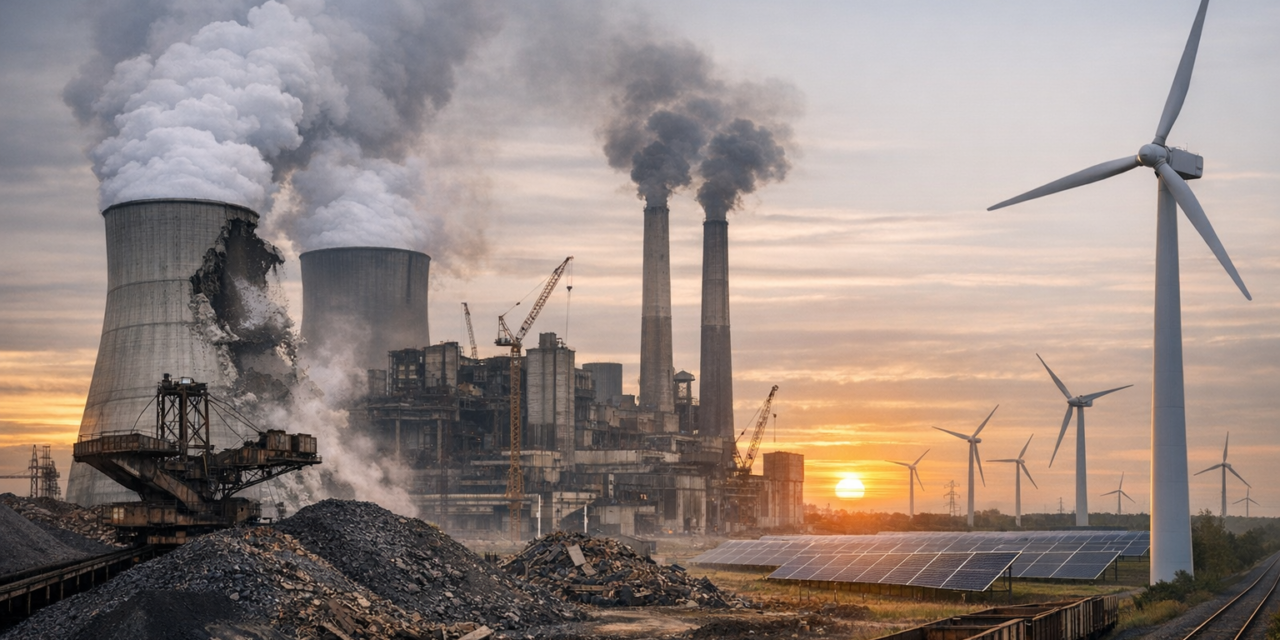
The global energy landscape stands at a critical juncture as the international community confronts the escalating realities of climate change. For decades, the combustion of coal and other fossil fuels has served as the primary engine for industrial growth and economic expansion. However, the environmental toll of these practices has become impossible to ignore. As global temperatures rise and extreme weather events become more frequent, the scientific consensus emphasizes an urgent need to transition toward sustainable energy sources. The concept of a rapid phase down of coal and unabated fossil fuels by the year 2026 represents an ambitious, yet essential, strategy to curb carbon emissions and stabilize the climate. This transition is not merely a technical adjustment; it is a fundamental shift in how humanity powers its civilization, requiring unprecedented cooperation, technological innovation, and political will.
The Environmental Imperative for Change
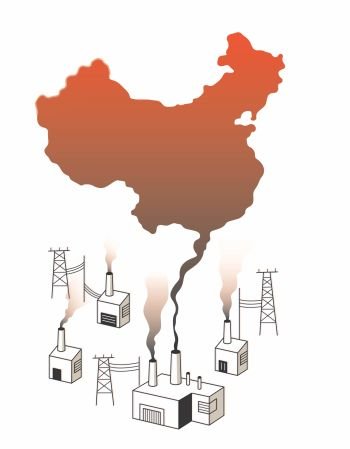
The primary driver for phasing out coal and unabated fossil fuels is the necessity of limiting global warming. The combustion of these resources releases significant quantities of greenhouse gases, primarily carbon dioxide, which trap heat within the atmosphere. Since the Industrial Revolution, the reliance on coal has been the single largest contributor to human induced climate change. As we look toward 2026, the urgency is underscored by the shrinking window of time to prevent the most catastrophic outcomes, such as the irreversible loss of biodiversity, the melting of polar ice caps, and the disruption of vital agricultural systems.
Unabated fossil fuel usage refers to the combustion of coal, oil, and gas without the application of technologies that capture and store the resulting emissions. By targeting the phase down of these specific processes, policy makers aim to achieve the most significant reductions in carbon output with the greatest speed. The scientific community has repeatedly warned that if the world continues on its current trajectory, the targets set by international agreements such as the Paris Agreement will be missed, leading to a precarious future for coming generations. Addressing this issue by 2026 is seen as a pivotal step in keeping the goal of limiting warming to 1. 5 degrees Celsius within reach.
The Economic and Social Challenges of Transition
Transitioning away from coal is a complex undertaking that presents significant economic challenges. Many nations, particularly those in the developing world, have built their infrastructure and power grids around coal fired electricity. For these regions, a rapid shift away from fossil fuels can appear as a threat to economic stability and energy security. The cost of building new renewable energy capacity, such as solar farms, wind turbines, and energy storage systems, is substantial. Furthermore, entire communities depend on coal mining and fossil fuel production for their livelihoods. A forced, immediate cessation of these activities could lead to widespread unemployment and social instability if not managed with careful consideration for the affected workforce.
However, the economic narrative is shifting as the costs of renewable energy continue to plummet. In many parts of the world, solar and wind power are now cheaper to produce than electricity from coal. The economic benefits of a green transition extend beyond mere electricity prices. Investing in clean energy creates new jobs in manufacturing, installation, maintenance, and research. By focusing on a phased transition starting in 2026, governments have the opportunity to plan for a just transition that retrains workers and invests in sustainable industries, thereby securing long term economic health rather than clinging to declining fossil fuel sectors.
Technological Innovations and Energy Storage
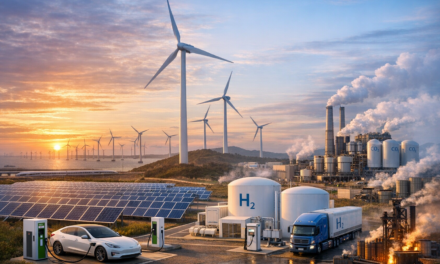
The feasibility of a rapid phase down depends heavily on technological readiness. Renewable energy sources like wind and solar are inherently variable, meaning they do not produce electricity on a constant basis. To move away from the reliability of coal, the world requires massive improvements in energy storage and grid management. Battery technology has advanced rapidly, allowing for the storage of excess energy produced during peak sunlight or high wind periods. By 2026, the continued integration of large scale battery arrays and smart grid technologies will be essential to ensure that a power grid primarily fueled by renewables remains stable and efficient.
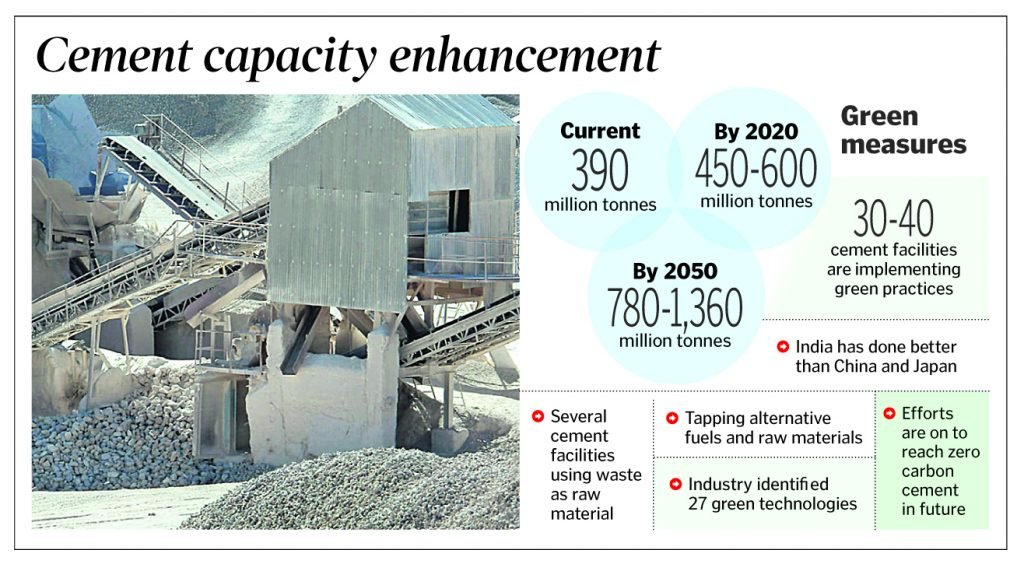
Another critical component is the development of grid infrastructure that can transmit electricity over long distances. Since the best wind and solar resources are often located far from major industrial hubs, the modernization of power lines is a priority. Furthermore, while the term unabated fossil fuels refers to burning fuels without capture, there is ongoing research into carbon capture and storage technologies. While these technologies are not a substitute for renewable energy, they may play a niche role in industries that are difficult to electrify, such as steel production or cement manufacturing. The technological race to provide stable, clean, and affordable energy is the foundation upon which the 2026 transition must be built.
International Cooperation and Policy Frameworks
Climate change is a global problem that requires a global solution. No single nation can tackle the reliance on coal and fossil fuels in isolation. The international community, through frameworks like the Conference of the Parties to the United Nations Framework Convention on Climate Change, plays a vital role in setting benchmarks and providing support for a managed transition. The year 2026 serves as a focal point for international diplomacy, where nations are expected to demonstrate their progress in decarbonizing their energy sectors. Wealthier, more developed nations have a responsibility to provide financial and technical assistance to developing nations, enabling them to leapfrog the fossil fuel intensive stage of development and transition directly to sustainable infrastructure.
Policy instruments such as carbon taxes, the removal of fossil fuel subsidies, and incentives for green investment are essential tools. Governments must send clear signals to the private sector that the future lies in clean energy. When companies understand that the regulatory environment is moving away from coal, they are more likely to shift their capital toward green technologies. By 2026, the success of this transition will depend on the strength of domestic policies that harmonize with international climate goals. Without this level of coordination, the effort to phase down fossil fuels will likely be hampered by market inconsistencies and a lack of unified resolve.
Case Studies and Real World Progress
Various regions have already begun the process of phasing out coal, providing valuable insights into the potential for success. Countries like Denmark and the United Kingdom have drastically reduced their reliance on coal over the past decade by investing heavily in offshore wind power and natural gas as a bridge fuel, followed by a move toward full electrification. These nations demonstrate that it is possible to maintain energy security while undergoing a radical transformation of the energy mix. In other parts of the world, emerging economies are also seeing success. India and Vietnam have made significant investments in solar power, recognizing that decentralized renewable energy can bring electricity to rural communities faster than large, centralized coal plants.
These examples show that a phase down is not a one size fits all approach. It requires a tailored strategy that respects local conditions while maintaining the urgency of the global goal. The key takeaway from these experiences is that early planning and a clear commitment to phasing out coal enable a smoother transition for the labor force and local economies. By examining what worked in these regions, other countries can develop robust strategies for 2026 and beyond. The lessons learned highlight the importance of public awareness and political leadership in sustaining the momentum of the energy transition during times of economic or geopolitical uncertainty.
The Role of Public Participation
Beyond government policy and technological advancement, the role of the individual and public opinion is profound. A transition as massive as phasing out coal requires the consent and participation of the general public. As consumers, individuals drive demand for green energy products and influence market trends. As citizens, they shape the political will of their nations through voting and social advocacy. The shift toward sustainability is often driven from the bottom up, as local communities demand cleaner air, better public health outcomes, and a more resilient environment.
Education and transparency are vital in this regard. When people understand the benefits of a green energy system, they are more likely to support the policies required to implement it. This includes addressing concerns about energy prices and grid reliability openly. In the lead up to 2026, public engagement will be the glue that holds the energy transition together. Organizations, activists, and educational institutions have a duty to communicate the reality of the climate crisis and the opportunity presented by a clean energy future. When the public views the phase down of coal not as a sacrifice, but as a necessary step toward a healthier and more prosperous future, the momentum for change becomes nearly unstoppable.
Conclusion
The movement to phase down coal and unabated fossil fuels by 2026 is a defining challenge of our time. It represents a transition that is scientifically necessary, economically viable, and socially transformative. While the challenges are significant, ranging from the need for infrastructure investment to the protection of jobs, the consequences of inaction are far more severe. The transition requires a synchronized effort between international bodies, national governments, the private sector, and individual citizens. By leveraging technological advancements, fostering international cooperation, and prioritizing a just transition for all workers, the world can move toward a cleaner, more sustainable energy future.
As we look toward 2026, the progress made in the coming years will serve as a testament to humanity’s ability to adapt and innovate in the face of crisis. The shift away from fossil fuels is not just about changing how we produce electricity; it is about redesigning our interaction with the planet to ensure that future generations inherit a stable and healthy climate. The 2026 timeline serves as a critical checkpoint in this ongoing endeavor. If the global community can remain committed to the phase down of coal and unabated fossil fuels, the benefits will manifest in the form of cleaner air, improved public health, and a more resilient economy. The pursuit of this goal reflects a commitment to progress and a recognition that the era of fossil fuels must come to an end to make way for a brighter and more sustainable existence for all of humanity. The path forward is difficult, but it is undoubtedly the only path that leads to a sustainable and thriving future for the entire world.
Bibliography
- IPCC – Intergovernmental Panel on Climate Change. Sixth Assessment Report: Mitigation of Climate Change. United Nations, 2022.
- IEA – International Energy Agency. Net Zero by 2050: A Roadmap for the Global Energy Sector. Paris: IEA Publications, 2023.
- UNFCCC – United Nations Framework Convention on Climate Change. Global Stocktake Synthesis Report. United Nations, 2023.
- Sachs, Jeffrey D. The Age of Sustainable Development. Columbia University Press, 2015.
- Sovacool, Benjamin K. “How Long Will It Take? Conceptualizing the Temporal Dynamics of Energy Transitions.” Energy Research & Social Science, vol. 13, 2016.
- REN21. Renewables Global Status Report 2024. Paris: REN21 Secretariat, 2024.
- OECD. Financing Climate Action: Policy Perspectives. OECD Publishing, 2022.
References:
https://www.mdpi.com/1996-1073/18/17/4473
https://www.mdpi.com/1996-1073/17/4/947
https://iopscience.iop.org/article/10.1088/1748-9326/ae15a7
https://pmc.ncbi.nlm.nih.gov/articles/PMC5348797/
https://www.frontiersin.org/journals/energy-research/articles/10.3389/fenrg.2024.1332174/full
https://www.sciencedirect.com/science/article/pii/S2210422424000261
https://www.sciencedirect.com/science/article/pii/S1364032125011013
https://www.sciencedirect.com/science/article/pii/S1674927822000880
https://iopscience.iop.org/article/10.1088/1748-9326/ac9fe3
https://pmc.ncbi.nlm.nih.gov/articles/PMC11362600/
https://energyinnovation.org/report/managing-the-utility-financial-transition-from-coal-to-clean-2/
https://www.sciencedirect.com/science/article/pii/S2772683523000456
https://www.researchgate.net/publication/375594396_Accelerating_Coal_Plant_Retirement_at_Scale