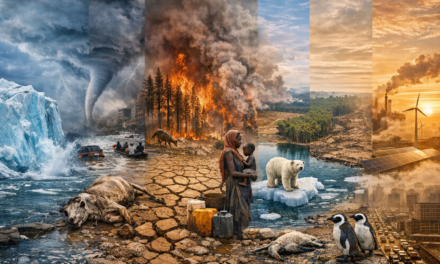

The Earth’s climate is a dynamic and complex system, shaped by a myriad of natural processes and, increasingly, by human activities. For centuries, human societies have largely adapted to existing climatic conditions, relying on predictable weather patterns for agriculture, infrastructure development, and resource management. However, the latter half of the 20th century and the dawn of the 21st century have brought about a profound realization: human actions, particularly the emission of greenhouse gases, are altering the global climate at an unprecedented rate. This alteration poses significant threats to ecosystems, human health, economies, and global security. In response to these escalating challenges, a new and rapidly evolving field of law has emerged: climatic law.
Climatic law, also referred to as climate change law or climate legal frameworks, is a broad and multidisciplinary area of legal scholarship and practice. It encompasses the body of national, regional, and international law and legal arrangements that seek to address climate change. This includes measures aimed at mitigating greenhouse gas emissions, adapting to the impacts of climate change that are already occurring or are unavoidable, and addressing the resultant legal challenges and liabilities. It draws upon and intersects with a wide range of existing legal disciplines, including environmental law, international law, human rights law, administrative law, constitutional law, tort law, and property law. The overarching goal of climatic law is to provide a legal architecture that can guide societies towards a low-carbon future, build resilience to climate impacts, and ensure a just and equitable transition.
The development of climatic law is a response to a deeply intertwined set of scientific, economic, social, and ethical imperatives. Scientifically, the consensus is overwhelming: the planet is warming, and human activities are the primary driver. Economically, the costs of inaction far outweigh the costs of taking action, encompassing damage to infrastructure, reduced agricultural productivity, increased healthcare burdens, and mass migration. Socially and ethically, climate change disproportionately affects vulnerable populations, exacerbates existing inequalities, and raises fundamental questions about intergenerational equity and global justice. Climatic law, therefore, is not merely a technical legal field; it is an integral component of humanity’s response to one of the most defining challenges of our time.
This essay will delve into the multifaceted nature of climatic law. It will explore its origins, its key principles and instruments, and the diverse legal mechanisms employed to address climate change. We will examine the international legal landscape, including the United Nations Framework Convention on Climate Change (UNFCCC) and its associated protocols, as well as the burgeoning area of national and subnational climate legislation. Furthermore, the essay will address the critical role of adaptation law, liability and compensation mechanisms, and the intersection of climatic law with human rights and environmental justice. Finally, it will consider the ongoing challenges and future directions of this dynamic and essential field.
The Foundations and Evolution of Climatic Law
The emergence of climatic law is a relatively recent phenomenon, yet its roots can be traced to earlier efforts in environmental protection and the burgeoning understanding of atmospheric chemistry and its global implications. While the term “climatic law” is modern, the legal and policy precursors that paved the way for its development are significant. Early environmental law focused on localized pollution, resource management, and species protection. However, as scientific understanding of transboundary pollution and atmospheric issues grew, so too did the need for legal frameworks that could address problems extending beyond national borders.
The scientific groundwork for climatic law was laid throughout the 20th century. Early studies in the late 19th and early 20th centuries, such as Svante Arrhenius’s work on the impact of carbon dioxide on global temperature, began to highlight the potential for human activities to influence the climate. However, it was the post-World War II era that saw a significant acceleration in climate science research. The development of sophisticated climate models, satellite monitoring, and extensive data collection efforts provided increasingly robust evidence of a warming planet and the link to anthropogenic greenhouse gas emissions. Key milestones included the establishment of the Intergovernmental Panel on Climate Change (IPCC) in 1988, which has since provided authoritative scientific assessments that have been instrumental in informing international negotiations and national policy-making.
The recognition of climate change as a global problem requiring international cooperation began to gain traction in the late 1980s. This recognition spurred the development of international legal instruments. The United Nations Framework Convention on Climate Change (UNFCCC), adopted in 1992 at the Earth Summit in Rio de Janeiro, is the foundational treaty in this field. The UNFCCC established the ultimate objective of stabilizing greenhouse gas concentrations in the atmosphere at a level that would prevent dangerous anthropogenic interference with the climate system. It also laid out broad principles, such as common but differentiated responsibilities and respective capabilities (CBDR-RC), which acknowledge that all countries have a role to play but that developed countries, having historically contributed the most to emissions, have a greater responsibility to lead mitigation efforts.
Following the UNFCCC, the international community embarked on a series of negotiations to operationalize its objectives. The Kyoto Protocol, adopted in 1997, was a landmark development as it set legally binding emission reduction targets for developed countries for a specific period. While the Kyoto Protocol represented a significant step, its effectiveness was limited by the non-participation of some major emitters and the fact that developing countries were not subject to binding targets. This led to a protracted period of negotiation and the eventual adoption of the Paris Agreement in 2015. The Paris Agreement, a more universal and flexible framework, represents a paradigm shift in international climate governance. It moved away from binding targets for individual countries towards a system of Nationally Determined Contributions (NDCs), where each country sets its own mitigation and adaptation goals, which are then reviewed and enhanced over time. This “bottom-up” approach, coupled with the agreement’s aim to limit global warming to well below 2, preferably to 1. 5 degrees Celsius, compared to pre-industrial levels, marks a new era in climatic law.
Beyond the international arena, national and subnational governments have also been increasingly active in developing climate legislation and policies. These legal instruments take various forms, including emissions trading schemes, carbon taxes, renewable energy mandates, energy efficiency standards, and land-use regulations. The complexity of climate change necessitates a multi-layered approach, with international agreements setting broad goals, national laws translating these into actionable policies, and subnational entities often pioneering innovative climate solutions. The evolution of climatic law is characterized by a continuous process of scientific discovery, international diplomacy, domestic policy innovation, and legal interpretation, reflecting the dynamic nature of the challenge itself.
International Climate Law and Governance
International climatic law forms the bedrock of global efforts to combat climate change. It is characterized by a complex web of treaties, protocols, declarations, and ongoing negotiations aimed at fostering cooperation among states. The United Nations Framework Convention on Climate Change (UNFCCC) is the central pillar of this framework. Adopted in 1992, the UNFCCC provides the overarching goals and principles for international climate action. Its ultimate objective, as stated in Article 2, is to achieve the stabilization of greenhouse gas concentrations in the atmosphere at a level that would prevent dangerous anthropogenic interference with the climate system.
The UNFCCC framework is built upon several key principles. Foremost among these is the principle of “common but differentiated responsibilities and respective capabilities” (CBDR-RC). This principle recognizes that all states have a shared responsibility to address climate change but acknowledges that developed countries, due to their historical emissions and greater economic capacity, have a primary role to play in leading the efforts. This principle has been a source of much debate and negotiation, particularly regarding how it applies to emerging economies. Another crucial principle is that of “precaution. ” This suggests that where there are threats of serious or irreversible damage, lack of full scientific certainty shall not be used as a reason for postponing cost-effective measures to prevent environmental degradation.
The operationalization of the UNFCCC has been a gradual process, marked by several key developments. The Kyoto Protocol, adopted in 1997 under the UNFCCC, was the first legally binding instrument that set specific, quantified emission reduction targets for developed countries (listed in Annex I of the Convention) for the period 2008-2012. It introduced the concept of “flexibility mechanisms,” such as emissions trading, joint implementation, and the clean development mechanism (CDM), designed to help countries achieve their targets in a cost-effective manner. While the Kyoto Protocol was a significant achievement, its impact was somewhat limited by the United States’ non-ratification and the lack of binding targets for developing countries.
The need for a more inclusive and ambitious global framework led to the negotiation of the Paris Agreement, adopted in 2015. The Paris Agreement represents a paradigm shift in international climate governance. It is a universal agreement, with nearly all countries submitting their own Nationally Determined Contributions (NDCs) outlining their emission reduction and adaptation goals. The agreement aims to keep global temperature rise well below 2 degrees Celsius above pre-industrial levels, and to pursue efforts to limit it to 1. 5 degrees Celsius. This temperature goal is a significant strengthening of ambition compared to previous efforts. The Paris Agreement also introduces a robust transparency framework for reporting and review of NDCs, a global stocktake mechanism to assess collective progress, and provisions for enhancing adaptation action and climate finance.
Beyond these core treaties, international climate law also encompasses a range of related agreements and initiatives. For instance, the Montreal Protocol on Substances that Deplete the Ozone Layer, while not directly a climate treaty, has had significant co-benefits for climate change mitigation as many ozone-depleting substances are also potent greenhouse gases. The Kigali Amendment to the Montreal Protocol, adopted in 2016, specifically targets the phase-down of hydrofluorocarbons (HFCs), which are powerful greenhouse gases used in refrigerants and aerosols.
International climate governance also involves the work of various bodies and institutions. The Conference of the Parties (COP) to the UNFCCC serves as the supreme decision-making body of the Convention, overseeing the implementation of the UNFCCC, the Kyoto Protocol, and the Paris Agreement. Numerous subsidiary bodies, such as the Subsidiary Body for Scientific and Technological Advice (SBSTA) and the Subsidiary Body for Implementation (SBI), provide technical and policy support. International financial institutions, like the Green Climate Fund (GCF) and the Global Environment Facility (GEF), play a crucial role in mobilizing and channeling climate finance, particularly to developing countries, to support mitigation and adaptation efforts.
The effectiveness of international climate law is continuously debated. Challenges include ensuring compliance with commitments, increasing the ambition of NDCs, mobilizing sufficient climate finance, and addressing issues of loss and damage associated with climate impacts. Nonetheless, international climate law provides an indispensable framework for global cooperation, setting norms, facilitating dialogue, and driving collective action towards a sustainable climate future.
National and Subnational Climate Law and Policy
While international agreements set the global stage, the practical implementation of climate action largely occurs at the national and subnational levels. National and subnational climatic law and policy are diverse and rapidly evolving, reflecting varying political contexts, economic structures, and environmental priorities. These legal instruments translate global commitments into concrete measures designed to reduce greenhouse gas emissions, enhance resilience to climate impacts, and promote sustainable development.
At the national level, governments enact legislation and regulations that govern various sectors contributing to or affected by climate change. A common approach is the establishment of overarching climate change acts or frameworks. These acts often set legally binding emission reduction targets, establish governance structures for climate policy, and outline a suite of policy instruments to achieve these targets. For example, the United Kingdom’s Climate Change Act 2008 was a pioneering piece of legislation, establishing a legally binding long-term target to reduce greenhouse gas emissions and creating an independent Climate Change Committee to advise the government. Many other countries, including members of the European Union, Canada, and Japan, have since enacted similar comprehensive climate legislation.
A critical component of national climate law involves the implementation of mitigation measures. These measures can be broadly categorized as regulatory and market-based approaches. Regulatory measures include setting standards for energy efficiency in buildings and appliances, mandating renewable energy deployment through feed-in tariffs or renewable portfolio standards, regulating industrial emissions, and implementing policies for sustainable land use and forestry. For instance, vehicle emission standards, building codes that require higher insulation levels, and regulations on industrial process emissions are all examples of regulatory tools used to curb emissions.
Market-based instruments aim to create economic incentives for emissions reductions. The most prominent examples include carbon pricing mechanisms. Carbon taxes impose a direct levy on the carbon content of fuels or greenhouse gas emissions, making polluting activities more expensive and encouraging cleaner alternatives. Emissions trading systems (ETS), also known as cap-and-trade systems, set an overall cap on emissions for a defined sector or economy-wide, and allow companies to buy and sell emission allowances. This creates a market price for carbon and incentivizes companies to reduce emissions where it is most cost-effective. Prominent examples of ETS include the European Union Emissions Trading System (EU ETS), California’s cap-and-trade program, and systems in China and South Korea. The design and effectiveness of these market-based instruments are subjects of ongoing legal and economic analysis, focusing on issues such as the appropriate price or cap level, the scope of coverage, and the potential for carbon leakage.
Beyond mitigation, national and subnational law also increasingly addresses adaptation to climate change. This involves developing strategies and legal frameworks to cope with the unavoidable impacts of climate change, such as sea-level rise, extreme weather events, and changes in precipitation patterns. Adaptation law can include measures related to land-use planning to avoid building in vulnerable areas, infrastructure upgrades to withstand extreme weather, water resource management policies, and public health preparedness strategies. Coastal zone management laws, building codes designed for higher wind speeds or flood resilience, and drought management plans are examples of adaptation-focused legal instruments.
Subnational governments, including states, provinces, cities, and regions, play a vital role in driving climate action. Often, these subnational entities act as laboratories for climate policy innovation. For example, many cities have adopted ambitious climate action plans, setting targets for carbon neutrality, promoting public transportation, and investing in renewable energy. California’s ambitious climate goals and its pioneering cap-and-trade program are notable examples of subnational leadership. Similarly, many cities and regions have joined international city networks, such as C40 Cities Climate Leadership Group, to share best practices and enhance their climate ambitions.
The interaction between national and subnational climate law is complex. Subnational actions can complement national policies, fill policy gaps, and even push national governments to adopt more ambitious targets. Conversely, national frameworks can provide enabling legislation or financial support for subnational initiatives. However, conflicts can also arise, for instance, when subnational regulations are seen to undermine national economic policies or when there is a lack of coordination.
In summary, national and subnational climatic law provides the essential legal and policy scaffolding for climate action. Through a combination of regulatory mandates, market-based mechanisms, and adaptation planning, these legal frameworks aim to drive emissions reductions, foster climate resilience, and promote a transition to a sustainable economy. The diversity and dynamism of these legal instruments underscore the localized nature of climate challenges and solutions, as well as the critical role of all levels of government in addressing this global crisis.
Adaptation Law and Climate Resilience
While mitigation efforts aim to reduce greenhouse gas emissions and limit the extent of future climate change, it is widely recognized that some degree of climate change is already locked in, and its impacts are inevitable. Therefore, a crucial and growing area of climatic law is adaptation law, which focuses on developing legal frameworks and mechanisms to help societies and ecosystems adapt to the adverse effects of climate change. Adaptation law is concerned with building resilience, managing risks, and ensuring that communities can cope with a changing climate.
The need for adaptation law stems from the understanding that climate change impacts are already being felt globally. These impacts can include rising sea levels, increased frequency and intensity of extreme weather events (such as heatwaves, floods, and droughts), changes in agricultural yields, water scarcity, and threats to biodiversity and ecosystem services. These changes pose significant risks to human populations, infrastructure, economies, and natural environments.
Adaptation law encompasses a broad range of legal and policy interventions. One key area is land-use planning and zoning. As climate risks become more apparent, legal frameworks are needed to guide development away from vulnerable areas, such as floodplains or coastal erosion zones. This can involve restricting new development in high-risk areas, requiring higher building standards for resilience, or implementing managed retreat strategies in particularly exposed locations. Laws related to coastal management, for instance, may incorporate provisions for setback lines, sea defenses, and the protection of natural buffers like mangroves and wetlands.
Infrastructure law also plays a vital role in adaptation. Existing infrastructure may not be designed to withstand the impacts of future climate change, such as more intense storms or higher temperatures. Adaptation law can mandate upgrades to critical infrastructure, such as transportation networks, energy systems, and water and wastewater treatment facilities, to enhance their resilience. This can involve incorporating climate change projections into design standards and procurement processes for new infrastructure projects.
Water resource management is another area where adaptation law is critical. Changes in precipitation patterns and increased evaporation due to higher temperatures can lead to water scarcity in some regions and increased flood risk in others. Legal frameworks governing water allocation, abstraction permits, and flood control measures need to be adapted to account for these changing conditions. This might involve developing new water sharing agreements, investing in water-efficient technologies, or implementing integrated flood management strategies.
Legal frameworks related to disaster risk reduction and management are also integral to adaptation. These laws typically cover early warning systems, emergency preparedness, response mechanisms, and post-disaster recovery. As climate change increases the frequency and intensity of extreme weather events, these legal systems need to be robust and well-resourced to effectively protect populations and minimize damage. This includes ensuring adequate legal authority for emergency management agencies, establishing clear protocols for evacuation and relief, and providing legal frameworks for compensation and reconstruction.
The legal aspects of adaptation also extend to protecting natural ecosystems and biodiversity, which are essential for human well-being and provide natural defenses against climate impacts. Conservation laws, protected area management regulations, and forest protection legislation can be strengthened to enhance the resilience of ecosystems to climate change, for example, by facilitating species migration or restoring degraded habitats.
Furthermore, adaptation law is increasingly intersecting with human rights. The right to adequate housing, food, water, and health can all be threatened by climate change impacts. Legal scholars and activists are exploring how existing human rights frameworks can be used to ensure that adaptation measures are implemented in a way that respects and protects human rights, particularly for vulnerable populations who are often disproportionately affected by climate change. This includes ensuring that adaptation plans are developed through inclusive and participatory processes and that they do not lead to displacement or exacerbate existing inequalities.
Finally, the legal and policy landscape for adaptation is still developing. Challenges include the significant costs associated with adaptation measures, the difficulty in attributing specific climate impacts to climate change, and the need for effective coordination across different sectors and levels of government. Despite these challenges, adaptation law is a rapidly growing field, essential for building a more resilient future in the face of a changing climate.
Liability, Compensation, and Loss and Damage
As the impacts of climate change become more severe, questions of liability and compensation for climate-related harms are gaining prominence. This area of climatic law grapples with who is responsible for the damages caused by greenhouse gas emissions and how victims of climate change can be compensated. This is a complex and often contentious area, involving scientific, economic, ethical, and legal considerations.
The concept of liability in climate change law can be approached from several angles. One approach is based on tort law principles, where individuals or entities who have contributed to climate change through their emissions might be held liable for resulting damages. This has led to a growing number of climate litigation cases worldwide. These cases often target major fossil fuel companies, seeking to hold them accountable for their historical contribution to greenhouse gas emissions and the resulting climate impacts. Plaintiffs in these cases often include individuals, communities, and even subnational governments who have suffered damages from extreme weather events, sea-level rise, or other climate-related consequences.
However, establishing liability in climate change litigation faces significant legal hurdles. Proving causation-that a specific defendant’s emissions directly caused a particular climate impact—is scientifically and legally challenging due to the diffuse nature of greenhouse gas emissions and the complex atmospheric processes involved. Furthermore, questions arise about the scope of responsibility. Should liability extend only to current emitters, or should it include historical emitters? How should responsibility be allocated among numerous emitters? Defenses often invoked include arguments about the global nature of the problem, the role of government policy in enabling fossil fuel use, and the difficulty of establishing a direct link between emissions and specific harm.
Beyond tort law, liability and compensation issues can also arise within the framework of international climate agreements. The concept of “loss and damage” has become a key topic of negotiation within the UNFCCC process. Loss and damage refers to the adverse impacts of climate change that cannot be avoided through adaptation measures. This can include irreversible losses, such as the inundation of small island nations or the permanent loss of cultural heritage sites, as well as non-economic losses, such as the loss of traditional livelihoods or cultural identity.
Developing countries, which are often the most vulnerable to climate impacts but have contributed the least to historical emissions, have been vocal in advocating for mechanisms to address loss and damage. This has led to the establishment of various bodies and initiatives under the UNFCCC, such as the Warsaw International Mechanism for Loss and Damage associated with Climate Change Impacts. Discussions around loss and damage often revolve around the question of financial assistance, with developing countries seeking funds from developed countries to help them cope with and recover from climate-related disasters and slow-onset events.
The establishment of a dedicated loss and damage fund was a significant outcome of the COP27 in Sharm El-Sheikh, Egypt, in 2022. This fund aims to provide financial assistance to vulnerable countries experiencing severe climate impacts. However, the details regarding its operationalization, funding sources, and governance are still being worked out, and it represents a nascent but crucial development in addressing climate justice.
The debate around liability, compensation, and loss and damage is deeply intertwined with issues of climate justice. It highlights the unequal distribution of the impacts of climate change and raises questions about intergenerational equity and the ethical responsibilities of industrialized nations. The legal and policy frameworks in this area are still under development, but they represent a critical frontier in climatic law, seeking to ensure that those who have contributed most to the problem bear a greater share of the responsibility and that victims of climate change receive adequate support and redress.
The Intersection of Climatic Law with Human Rights and Environmental Justice
Climatic law is increasingly recognized as being intrinsically linked to human rights and environmental justice. The impacts of climate change disproportionately affect vulnerable populations, exacerbating existing inequalities and threatening fundamental human rights. This intersection highlights the ethical dimensions of climate change and underscores the need for legal frameworks that promote equity and justice in climate action.
The human rights dimension of climate change is multifaceted. Climate impacts such as rising sea levels, extreme weather events, and water scarcity can threaten the rights to life, health, food, water, housing, and self-determination. For instance, communities displaced by sea-level rise may lose their homes and livelihoods, infringing upon their right to adequate housing and their right to culture. Changes in agricultural productivity due to altered weather patterns can impact food security, threatening the right to food. Increased prevalence of climate-sensitive diseases, such as malaria and dengue fever, due to warmer temperatures can threaten the right to health.
Human rights law provides a powerful framework for holding states accountable for their climate-related actions and inactions. Courts around the world are increasingly being asked to consider climate change in the context of human rights obligations. Landmark cases, such as the Dutch Urgenda case, have seen courts order governments to take more ambitious action to reduce greenhouse gas emissions, based on their duty to protect their citizens from foreseeable harm, including harm from climate change. Similarly, cases are emerging in other jurisdictions, such as the United States and the Philippines, where plaintiffs are arguing that governments and corporations have violated human rights through their contributions to climate change.
Environmental justice, a concept that emerged from the recognition that environmental burdens are often disproportionately borne by marginalized communities, is also central to climatic law. Communities of color, low-income populations, Indigenous peoples, and developing nations are often the most vulnerable to the impacts of climate change, despite contributing the least to its causes. This is due to a variety of factors, including geographical vulnerability, limited access to resources, and historical patterns of marginalization.
Climatic law, therefore, must strive to ensure that climate mitigation and adaptation measures are implemented in a just and equitable manner. This means avoiding policies that inadvertently shift burdens onto vulnerable communities, such as the siting of polluting infrastructure in low-income neighborhoods or the implementation of adaptation measures that lead to displacement or dispossession. It also means ensuring that these communities have a meaningful voice in decision-making processes related to climate policy and that they benefit equitably from the transition to a low-carbon economy.
The principle of “just transition” is a key concept in this regard. It recognizes that the shift away from fossil fuels and towards a green economy will have significant social and economic impacts, particularly on workers and communities dependent on carbon-intensive industries. A just transition framework seeks to ensure that this transition is managed in a way that is fair and equitable, providing support for affected workers and communities through retraining, economic diversification, and social safety nets.
Furthermore, the intersection of climate change, human rights, and environmental justice raises critical questions about international climate finance and the historical responsibilities of developed countries. Developing nations often bear the brunt of climate impacts and have fewer resources to adapt, yet they are least responsible for historical emissions. Climatic law and policy must address this imbalance by ensuring adequate financial and technological support for developing countries to undertake mitigation and adaptation efforts, and to cope with loss and damage.
In conclusion, the integration of human rights and environmental justice principles into climatic law is not merely a matter of fairness; it is essential for the legitimacy, effectiveness, and long-term sustainability of climate action. By upholding human rights and promoting environmental justice, climatic law can help build a more equitable and resilient future for all.
Challenges and Future Directions in Climatic Law
Despite significant progress in developing international and national legal frameworks, climatic law faces numerous ongoing challenges and evolving frontiers. The scale and complexity of climate change demand continuous innovation and adaptation in legal approaches. As scientific understanding advances and the impacts of climate change become more pronounced, the legal landscape will continue to shift.
One of the foremost challenges in climatic law is ensuring compliance and enforcement. International climate agreements, while aspirational, often rely on voluntary commitments and peer pressure for their implementation. Strengthening compliance mechanisms, including robust monitoring, reporting, and verification (MRV) systems, is crucial for building trust and accountability. For national laws, effective enforcement by regulatory bodies and judicial oversight are vital to ensure that targets are met and that polluters are held accountable. The development of more effective tools for assessing and attributing climate liability, as discussed earlier, is an ongoing challenge that will shape future legal recourse.
Another critical challenge lies in increasing the ambition of climate action. The current trajectory of global emissions is not yet consistent with the goals of the Paris Agreement. This necessitates the continuous enhancement of Nationally Determined Contributions (NDCs) and the development of more aggressive legal and policy measures to accelerate the transition to a low-carbon economy. This includes strengthening carbon pricing mechanisms, expanding renewable energy mandates, phasing out fossil fuel subsidies, and promoting circular economy principles through legal frameworks.
The financing of climate action remains a significant hurdle. Mobilizing sufficient public and private finance for both mitigation and adaptation, particularly in developing countries, is essential. Climatic law needs to explore innovative financing mechanisms, such as green bonds, climate insurance, and public-private partnerships, and ensure that these are structured to promote equitable outcomes and avoid exacerbating debt burdens. The operationalization of the Loss and Damage Fund established at COP27 is a critical step, but its long-term sustainability and adequacy will require ongoing legal and financial innovation.
Adaptation law is an area that requires significant further development. While mitigation has historically received more attention, the growing impacts of climate change necessitate a greater focus on legal frameworks for resilience building. This includes developing robust planning and zoning regulations to manage climate risks, strengthening disaster preparedness and response legal structures, and integrating adaptation considerations into all areas of law and policy. The legal challenges of addressing slow-onset impacts, such as sea-level rise and desertification, are particularly complex and require new legal approaches.
The intersection of climatic law with other areas of law, such as trade law, investment law, and intellectual property law, presents both challenges and opportunities. For example, climate policies can sometimes conflict with international trade rules, leading to disputes. Conversely, international trade agreements can be leveraged to promote climate-friendly goods and services. Similarly, intellectual property regimes can either facilitate or hinder the transfer of green technologies. Navigating these complex interactions will be crucial for effective climate governance.
Looking ahead, several trends are likely to shape the future of climatic law. The increasing use of technology, such as artificial intelligence and remote sensing, will provide new tools for monitoring emissions, assessing climate impacts, and enforcing regulations. Climate litigation is expected to continue to grow, pushing legal boundaries and holding governments and corporations accountable. Furthermore, the growing public awareness and demand for climate action will likely lead to more ambitious legislation and stronger public pressure for compliance.
The concept of “climate citizenship” may also gain prominence, emphasizing the rights and responsibilities of individuals in addressing climate change. This could lead to new legal avenues for citizen engagement and participation in climate decision-making. As well, the development of international legal norms and standards related to climate change, potentially leading to a more formalized international climate court or tribunal, remains a possibility, though a complex one.
In conclusion, climatic law is a dynamic and evolving field, constantly responding to the scientific, economic, and social realities of climate change. The challenges ahead are significant, requiring continued legal innovation, international cooperation, and a commitment to justice and equity. The future of climatic law will be shaped by its ability to adapt, to foster ambitious action, and to ensure that the transition to a sustainable future is both effective and just.
Bibliography
International Agreements and Frameworks
- United Nations Framework Convention on Climate Change (UNFCCC), 1992.
- Kyoto Protocol to the UNFCCC, 1997.
- Paris Agreement, 2015.
- United Nations Convention to Combat Desertification (UNCCD), 1994.
- Convention on Biological Diversity (CBD), 1992.
- Sendai Framework for Disaster Risk Reduction 2015–2030.
- World Trade Organization (WTO). General Agreement on Tariffs and Trade (GATT), 1994.
- WTO. Agreement on Technical Barriers to Trade (TBT), 1994.
- WTO. Agreement on Trade‑Related Investment Measures (TRIMs), 1994.
- World Intellectual Property Organization (WIPO). Agreement on Trade‑Related Aspects of Intellectual Property Rights (TRIPS), 1994.
Climate Finance and Governance
- UNFCCC Standing Committee on Finance. Biennial Assessment and Overview of Climate Finance Flows, various years.
- Green Climate Fund (GCF). GCF Programming and Investment Frameworks, various years.
- COP27. Decision on the Operationalization of the Loss and Damage Fund, 2022.
Academic Literature
- Bodansky, D., Brunnée, J., & Rajamani, L. International Climate Change Law. Oxford University Press, 2017.
- Viñuales, J. (ed.). The Cambridge Handbook of Climate Change Law. Cambridge University Press, 2020.
- Peel, J. & Osofsky, H. Climate Change Litigation: Regulatory Pathways to Cleaner Energy. Cambridge University Press, 2015.
- Carlarne, C. Climate Change Law and Policy. Oxford University Press, 2010.
- Fisher, E., Scotford, E., & Barritt, E. The Legal and Governance Framework of Climate Change. Hart Publishing, 2017.
- Kotzé, L. J. Global Environmental Constitutionalism in the Anthropocene. Hart Publishing, 2016.
- Depledge, J. & Farooqui, M. Climate Change and International Trade Law. Edward Elgar, 2023.
- Gerrard, M. & Wyman, K. (eds.). Climate Change Law: Mitigation and Adaptation. American Bar Association, 2018.
- Zahar, A. & Peel, J. Principles of International Climate Change Law. Cambridge University Press, 2018.
References:
https://forthworthjournals.org/journals/index.php/AJLP/article/view/25
https://www.sciencedirect.com/science/article/abs/pii/S0959378025001219
https://forthworthjournals.org/journals/index.php/AJLP/article/view/25
https://www.sciencedirect.com/science/article/pii/S2589811625000448
https://www.mdpi.com/2071-1050/16/17/7800
https://pmc.ncbi.nlm.nih.gov/articles/PMC11791185/
https://www.nature.com/articles/s41893-024-01455-y