

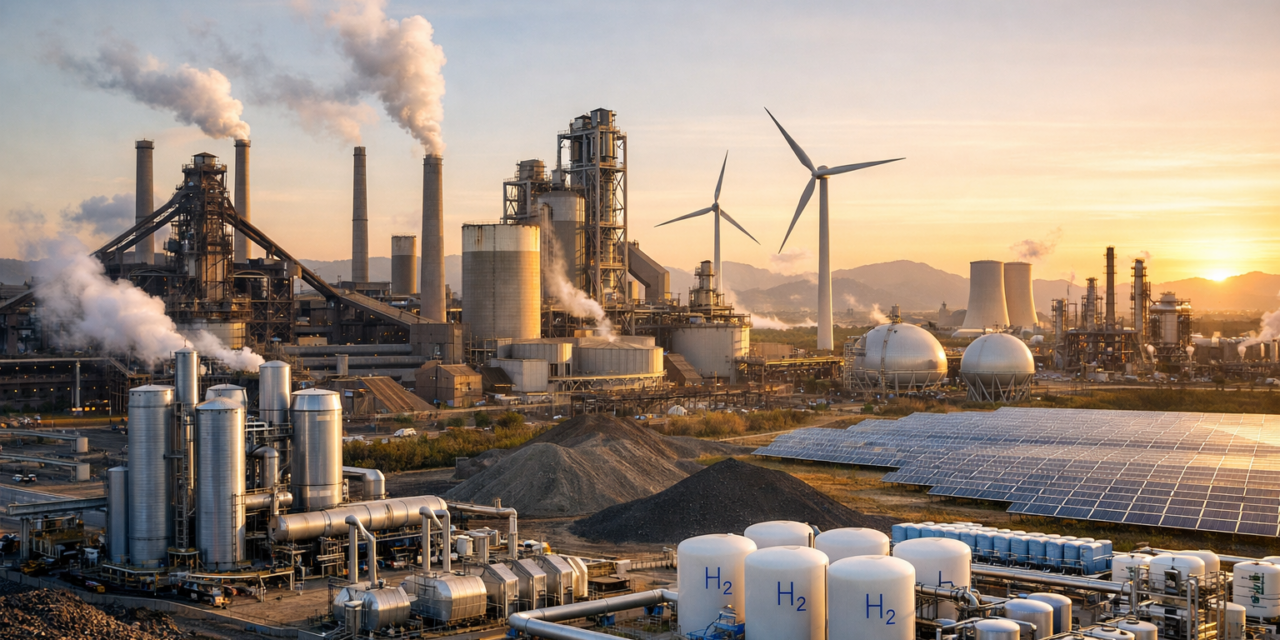
The urgent need to address climate change has placed industrial decarbonization at the forefront of global policy and technological innovation. For sectors like steel, cement, and chemicals, which are foundational to modern economies but also significant emitters of greenhouse gases, this transition represents a monumental challenge. These industries are characterized by high-temperature processes, reliance on fossil fuels for energy and feedstock, and intricate value chains. The period until 2026, while short in the grand scheme of industrial transformation, is a critical window for setting ambitious targets, demonstrating early-stage decarbonization technologies, and fostering the market signals necessary for long-term change. This essay will explore the current state of industrial decarbonization efforts in steel, cement, and chemicals, focusing on the strategies, technologies, and policy frameworks that are being developed and implemented, with a particular emphasis on the immediate prospects and limitations leading up to 2026. It will examine the key drivers for change, the technological pathways being pursued, and the inherent challenges that must be overcome to achieve meaningful emissions reductions in these vital sectors within this near-term timeframe.
The Challenge of Decarbonizing Heavy Industry
Steel, cement, and chemicals are often referred to as “hard-to-abate” sectors due to their inherent emissions profiles. The production of steel, for instance, relies heavily on the blast furnace electric arc furnace (BF-EAF) route, which uses coke derived from coal to reduce iron ore. This process releases substantial amounts of carbon dioxide (CO2) as a byproduct of the chemical reactions. Similarly, cement production involves calcining limestone at very high temperatures, a process that releases CO2 from the chemical decomposition of calcium carbonate. The energy required for these high-temperature kilns is often met by burning fossil fuels. The chemical industry, while diverse, also presents significant challenges. Many chemical processes are energy-intensive, and some produce CO2 as a direct byproduct of reactions, while others rely on fossil fuels as both an energy source and a feedstock for producing essential materials like plastics and fertilizers. The global demand for these products is projected to continue growing, further complicating decarbonization efforts. Achieving significant emissions reductions in these sectors requires a multi-pronged approach, involving process innovation, the adoption of low-carbon energy sources, carbon capture utilization and storage (CCUS), and the development of circular economy principles. The timeframe leading up to 2026 is crucial for laying the groundwork for these long-term solutions, even if the full impact of these changes will be realized over subsequent decades.
Decarbonization Strategies in the Steel Sector
The steel industry is a prime target for decarbonization efforts, accounting for approximately 7% of global CO2 emissions. The most promising pathway to a low-carbon steel future involves a transition away from traditional blast furnaces towards alternative production methods. The leading contender is the hydrogen-based direct reduction of iron (H2-DRI) process. In this method, hydrogen gas is used instead of carbon monoxide to reduce iron ore, thereby producing water vapor instead of CO2. While still in its nascent stages of large-scale deployment, pilot projects and demonstration plants are crucial for validating its technical and economic feasibility. Companies like SSAB in Sweden are actively pursuing this route, with their HYBRIT project aiming to produce fossil-free steel using hydrogen and renewable electricity. Another significant strategy is the increased use of electric arc furnaces (EAFs), which melt scrap steel. While EAFs are more energy-efficient than blast furnaces, their decarbonization potential is directly linked to the carbon intensity of the electricity grid powering them. Therefore, a rapid shift to renewable energy sources for EAF operations is paramount. For existing blast furnace operations, carbon capture, utilization, and storage (CCUS) technologies offer a potential, albeit complex and costly, solution. CCUS involves capturing CO2 emissions from industrial processes and either storing them underground or utilizing them in other products. However, the deployment of CCUS at scale faces significant hurdles related to infrastructure, cost, and public acceptance. By 2026, the focus will likely be on scaling up pilot projects for H2-DRI, increasing the use of renewable electricity for EAFs, and potentially advancing the deployment of CCUS in select locations, although widespread adoption is unlikely within this short timeframe. Policy measures, such as carbon pricing, emissions standards, and green public procurement, will be vital in driving these changes.
Decarbonization Pathways for the Cement Industry
The cement industry, essential for construction and infrastructure development, is another major contributor to global emissions, responsible for about 8% of the total. Decarbonizing cement production requires addressing both process emissions from clinker production and emissions from fuel combustion. One key area of innovation is the development of supplementary cementitious materials (SCMs) and alternative binders. SCMs, such as fly ash and ground granulated blast furnace slag, can partially replace clinker in cement formulations, thereby reducing the overall CO2 footprint. The development of novel cement chemistries that require lower calcination temperatures or release less CO2 during production is also a critical research area. For instance, calcium sulfoaluminate (CSA) cements offer a lower-carbon alternative. Furthermore, similar to the steel sector, CCUS technologies are being explored for cement plants. Capturing CO2 from the flue gases of kilns is technically feasible, but the economic viability and infrastructure requirements remain significant challenges. Another crucial aspect is the fuel switch. Many cement kilns currently rely on fossil fuels, including coal and petcoke. Transitioning to low-carbon fuels, such as biomass, waste-derived fuels, or hydrogen, can significantly reduce the carbon intensity of cement production. Electric calcination powered by renewable electricity is also a promising avenue, though it requires substantial grid upgrades and investment in new equipment. By 2026, the industry will likely see increased adoption of SCMs and alternative binders, further exploration of novel cement chemistries, and intensified efforts to pilot and scale CCUS technologies. The fuel switch will also be a focus, with greater utilization of alternative fuels. Government incentives, stricter emissions regulations, and the growing demand for green building materials will drive these advancements.
Decarbonizing the Chemical Sector
The chemical industry, a vast and complex network of diverse processes, faces a unique set of decarbonization challenges, including energy intensity and the use of fossil fuels as feedstocks. Decarbonization strategies in this sector are highly varied, depending on the specific chemical produced. For energy-intensive processes, a direct switch to renewable electricity is a primary solution. This can be achieved through on-site generation of renewable power or by sourcing renewable electricity from the grid. The electrification of certain high-temperature processes, where feasible, is also a significant trend. For processes that rely on fossil fuels for feedstock, such as the production of petrochemicals, the development of sustainable alternatives is critical. This includes the use of bio-based feedstocks derived from biomass, or the integration of captured CO2 into chemical synthesis pathways, often referred to as CO2 utilization. Hydrogen produced from renewable sources (green hydrogen) is also poised to play a crucial role, both as a clean energy source and as a feedstock for the production of ammonia and other chemicals. For instance, green ammonia production is gaining momentum as a pathway to decarbonize fertilizer production and potentially serve as a low-carbon fuel. CCUS technologies are also relevant for chemical plants with significant CO2 emissions from process reactions. The integration of digital technologies and advanced process control can also lead to significant energy efficiency improvements, thereby reducing emissions. By 2026, the chemical sector will likely witness a greater adoption of renewable electricity, accelerated research and development into bio-based feedstocks and green hydrogen production, and the scaling up of pilot projects for CO2 utilization and CCUS. The development of circular economy models, promoting the reuse and recycling of chemical products, will also become increasingly important. Policy drivers, including carbon pricing, incentives for green hydrogen, and mandates for sustainable materials, will be instrumental in guiding this transition.
Technological Innovations and Emerging Solutions
Beyond the specific strategies for each sector, several overarching technological innovations are critical for industrial decarbonization by 2026 and beyond. Green hydrogen, produced through electrolysis powered by renewable energy, is a game-changer for sectors that require high-temperature heat or hydrogen as a feedstock. Its potential to replace fossil fuels in steel production, cement kilns, and various chemical processes is immense. However, the cost of green hydrogen production remains a significant barrier, and scaling up electrolyzer capacity and developing robust hydrogen infrastructure are critical challenges that need to be addressed. Carbon Capture, Utilization, and Storage (CCUS) technologies, while not a panacea, offer a pathway to mitigate emissions from processes where they are difficult to avoid. For 2026, the focus will be on advancing the maturity and cost-effectiveness of these technologies, alongside the development of safe and secure CO2 storage sites and viable utilization pathways. Direct Air Capture (DAC) technologies, which remove CO2 directly from the atmosphere, are also emerging but are currently very energy-intensive and costly, with limited relevance for near-term industrial decarbonization. Advanced materials and process optimization, including the use of digitalization and artificial intelligence, can unlock significant energy efficiency gains and reduce material waste. The development of new catalysts and chemistries that enable lower-temperature reactions or utilize renewable feedstocks is also a crucial area of research. The circular economy paradigm, focusing on reducing, reusing, and recycling materials, offers another powerful lever for decarbonization by reducing the demand for primary resource extraction and production. By 2026, we can expect to see increased investment in pilot projects for green hydrogen, CCUS, and advanced materials, alongside greater adoption of digital solutions for energy efficiency.
Policy, Finance, and Market Enablers
The success of industrial decarbonization hinges not only on technological advancements but also on supportive policy frameworks, robust financial mechanisms, and the creation of enabling market conditions. By 2026, governments will play a critical role in setting clear and ambitious emissions reduction targets for heavy industries. Carbon pricing mechanisms, such as carbon taxes and emissions trading systems, can internalize the cost of emissions and incentivize the adoption of low-carbon technologies. Subsidies and tax incentives for green hydrogen production, CCUS deployment, and energy efficiency upgrades can help bridge the cost gap between conventional and low-carbon alternatives. Public procurement policies that favor low-carbon products, such as green steel and cement, can create initial market demand and drive down costs. International cooperation and knowledge sharing are also essential, particularly for developing countries that are heavily reliant on these industrial sectors. Financial institutions are increasingly recognizing the climate risks associated with high-carbon assets and are shifting investment towards sustainable technologies. Green finance, including green bonds and sustainability linked loans, can provide the necessary capital for large-scale decarbonization projects. However, the long lead times and high upfront costs associated with many industrial decarbonization technologies require innovative financing solutions and risk-sharing mechanisms. By 2026, the focus will be on strengthening carbon pricing, expanding green finance instruments, and implementing targeted policies to accelerate the deployment of mature low-carbon technologies. Collaboration between industry, government, and research institutions will be crucial to overcome the remaining barriers and drive the transition towards a sustainable industrial future.
Conclusion
The period leading up to 2026 represents a crucial juncture for industrial decarbonization in the steel, cement, and chemical sectors. While a complete transformation of these complex industries is a long-term endeavor, this near-term window is vital for establishing momentum, demonstrating the viability of key technologies, and creating the necessary policy and market conditions for sustained progress. The development and scaling of green hydrogen production and utilization, the advancement of CCUS technologies, the widespread adoption of supplementary materials and alternative binders in cement, and the increased electrification of processes with renewable energy sources are all critical areas of focus. For steel, the transition towards hydrogen-based direct reduction and increased reliance on renewable-powered EAFs are paramount. In cement, innovation in binders and fuel switching will be key. The chemical sector will see a growing emphasis on green hydrogen, bio-based feedstocks, and process electrification. Policy interventions, including robust carbon pricing, targeted subsidies, and green procurement, alongside increased green finance, will be indispensable enablers of this transition. By 2026, tangible progress will be measured not only by emissions reductions achieved but also by the clear direction set, the early-stage technologies proven at scale, and the market confidence generated. The challenges are substantial, but the urgency of climate action demands that these vital industries accelerate their decarbonization pathways, laying a robust foundation for a sustainable industrial future.
Bibliography
- International Energy Agency (IEA). Energy Technology Perspectives 2023: Industrial Decarbonisation Pathways. Paris: IEA, 2023.
- Material Economics. Industrial Transformation 2050: Pathways to Net-Zero Emissions from EU Heavy Industry. Stockholm: Material Economics, 2019.
- Bataille, C. (2019). “Low and Zero-Carbon Industrial Technologies: Pathways for Hard-to-Abate Sectors.” Energy Policy, 131, 172–183.
- Fischedick, M. et al. (2014). “Industry.” In Climate Change 2014: Mitigation of Climate Change. IPCC, Cambridge University Press.
- International Energy Agency (IEA). Iron and Steel Technology Roadmap: Towards More Sustainable Steelmaking. Paris: IEA, 2020.
- Vogl, V., Åhman, M., & Nilsson, L. (2018). “Assessment of Hydrogen Direct Reduction for Fossil-Free Steelmaking.” Journal of Cleaner Production, 203, 736–745.
- Scrivener, K. L., John, V. M., & Gartner, E. (2018). “Eco-efficient Cements: Potential Economically Viable Solutions for a Low-CO₂ Cement-Based Materials Industry.” Cement and Concrete Research, 114, 2–26.
- Gartner, E. & Sui, T. (2017). “Alternative Cement Clinkers.” Cement and Concrete Research, 114, 27–39.
- Lehne, J. & Preston, F. (2018). Making Concrete Change: Innovation in Low-Carbon Cement and Concrete. Chatham House.
- International Energy Agency (IEA). The Future of Petrochemicals: Towards More Sustainable Chemical Production. Paris: IEA, 2023.
- Rogelj, J. et al. (2018). “Mitigation Pathways Compatible with 1.5°C.” In IPCC Special Report on Global Warming of 1.5°C. Cambridge University Press.
- Saygin, D. et al. (2011). “Chemical and Petrochemical Sector: Potential of Best Practice Technology and Other Measures for Improving Energy Efficiency.” UNIDO Working Paper.
- European Commission. A Clean Planet for All: A European Strategic Long-Term Vision for a Prosperous, Modern, Competitive and Climate Neutral Economy. Brussels: European Commission, 2018.
- Hasanbeigi, A. (2022). Industrial Decarbonization: Deep Decarbonization Pathways for Heavy Industry. Global Efficiency Intelligence.
- Davis, S. J. et al. (2018). “Net-Zero Emissions Energy Systems.” Science, 360, 1–9.
References:
https://www.sciencedirect.com/science/article/abs/pii/S2214629622000706
https://pmc.ncbi.nlm.nih.gov/articles/PMC8522259/
https://www.sciopen.com/article/10.26599/TRCN.2025.9550007
https://pmc.ncbi.nlm.nih.gov/articles/PMC9516983/
https://www.nature.com/articles/s41586-025-09658-9
https://economicsrs.com/articles/10.2478/eoik-2026-0023
https://www.energypolicy.columbia.edu/decarbonizing-steel-and-cement/
https://transitionasia.org/explainer-carbon-capture-in-the-steel-sector/
https://www.sciencedirect.com/science/article/pii/S235248472201321X
https://www.sciencedirect.com/science/article/abs/pii/S2214629622000706
https://www.nature.com/articles/s41586-025-09658-9
https://www.sciencedirect.com/science/article/pii/S0301421525001399