
The Earth’s climate system is undergoing unprecedented transformations, driven overwhelmingly by human activities. As we navigate the mid-2020s, the tangible impacts of climate change are no longer a distant forecast but a present reality, manifesting in increasingly extreme weather events, rising sea levels, and profound ecological disruptions. The year 2026 stands as a critical juncture, not because of a singular event, but because it represents a point where the accumulated consequences of decades of emissions are amplified, and the urgency for effective global action is starkly apparent. Yet, the path toward a coordinated and equitable global response is fraught with deep structural challenges. These challenges are not merely technical or scientific; they are rooted in the complex interplay of political will, economic disparities, national interests, and the very architecture of international cooperation. Understanding these intertwined complexities is essential to grasping why, despite growing scientific consensus and public awareness, a truly effective global strategy to mitigate climate change and adapt to its unavoidable consequences remains elusive.
The Evolving Landscape of Climate Impacts
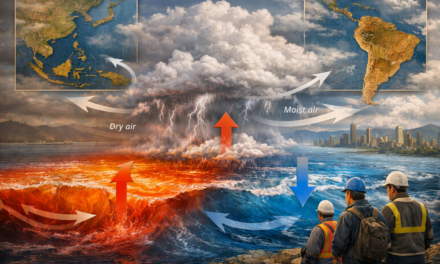
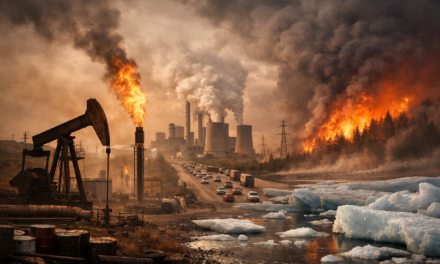
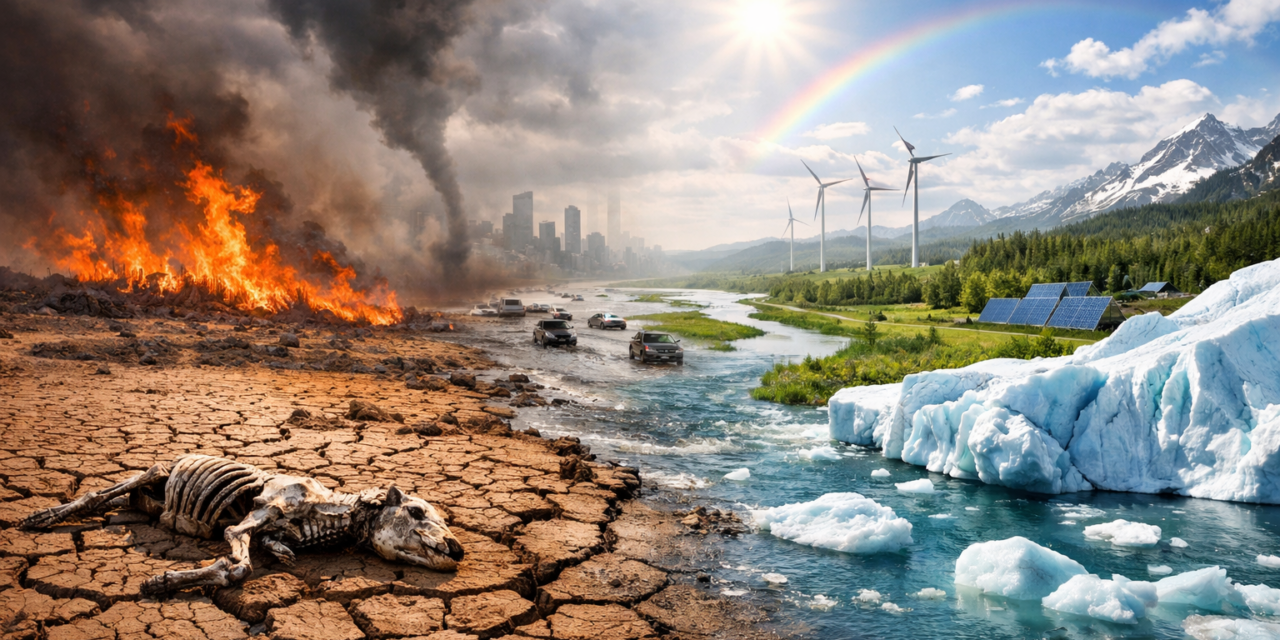
By 2026, the manifestations of climate change are more pronounced and widespread than ever before. We are witnessing a discernible acceleration in global warming trends, pushing average temperatures closer to, and in some regions, exceeding critical thresholds. This warming fuels a cascade of interconnected impacts. Heatwaves, once considered rare anomalies, are becoming more frequent, intense, and prolonged, posing severe risks to human health, agriculture, and infrastructure. For instance, the summers of recent years have seen record-breaking temperatures in diverse regions, from Europe and North America to Asia, leading to widespread drought, wildfires, and increased mortality.
The hydrological cycle is also undergoing significant disruption. Some areas are experiencing more severe droughts, depleting freshwater resources and exacerbating agricultural stress, as seen in regions of the Horn of Africa or parts of the American West. Conversely, other regions are grappling with increased intensity and frequency of heavy rainfall events, leading to devastating floods. The monsoon systems in South Asia, for example, have shown increased variability, with some areas facing intense deluges that cause catastrophic flooding and displacement, while others suffer from delayed or insufficient rainfall.
Oceanic changes are equally alarming. Rising sea levels, driven by thermal expansion of water and the melting of glaciers and ice sheets, are threatening coastal communities worldwide. Small island developing states, such as those in the Pacific, face existential threats, with inundation and increased storm surge vulnerability impacting their land, freshwater, and economies. Moreover, ocean acidification, a direct consequence of absorbing excess atmospheric carbon dioxide, is severely impacting marine ecosystems, particularly coral reefs. The Great Barrier Reef, for example, has experienced multiple mass bleaching events, threatening its biodiversity and the livelihoods that depend on it.
The accelerating rate of glacier melt, particularly in the Himalayas and the Arctic, has implications for water security for billions of people downstream and contributes to rising sea levels. These ongoing and intensifying impacts underscore the urgency of climate action, but also highlight the growing challenge of adapting to changes that are already baked into the system.
Structural Challenges in Global Climate Governance
The very structure of global governance presents significant hurdles to an effective climate response. The international system, characterized by sovereign nation-states, often struggles to forge and implement unified policies that transcend national borders and short-term political cycles. The United Nations Framework Convention on Climate Change (UNFCCC) process, while instrumental in establishing the discourse and setting aspirational goals like the Paris Agreement, is inherently a forum for negotiation among diverse national interests.
One of the most persistent challenges is the principle of common but differentiated responsibilities and respective capabilities (CBDR RC). Developed nations, historically the largest emitters, are called upon to take the lead in emissions reductions and provide financial and technological support to developing countries. However, there is ongoing tension regarding the extent of this responsibility and the definition of “developed” versus “developing” in the context of current emissions and future needs. Emerging economies, while often bearing significant climate vulnerability, also argue for their right to develop and lift their populations out of poverty, which may necessitate continued emissions in the short to medium term, albeit through cleaner pathways. This divergence in perspective can stall progress on ambitious targets and resource mobilization.
The issue of climate finance remains a contentious battleground. Pledges made by developed countries to mobilize substantial funds for mitigation and adaptation in developing nations have often fallen short, or the disbursement mechanisms are perceived as inadequate and bureaucratic. The initial $100 billion per year goal, set for 2020, was not fully met, and the subsequent efforts to establish a new, more ambitious finance goal for post-2025 are subject to intense negotiation. Without adequate and accessible finance, developing countries, which are often the most vulnerable to climate impacts, are severely hampered in their ability to transition to low-carbon economies and build resilience.
Furthermore, the enforcement and accountability mechanisms within international climate agreements are relatively weak. While the Paris Agreement introduced a system of Nationally Determined Contributions (NDCs), which are voluntary commitments by each country to reduce emissions, the primary recourse for non-compliance is international pressure and peer review. This lack of robust enforcement can lead to a situation where ambitious targets are set, but the political will to implement the necessary domestic policies to achieve them is lacking. The year 2026 is particularly significant as it follows the first Global Stocktake of the Paris Agreement, which revealed a significant gap between current actions and the goals of limiting warming to 1. 5°C or well below 2°C. This stocktake should, in principle, spur greater ambition, but the structural inertia within the international system makes translating this realization into decisive action a formidable task.
Economic and Political Inertia
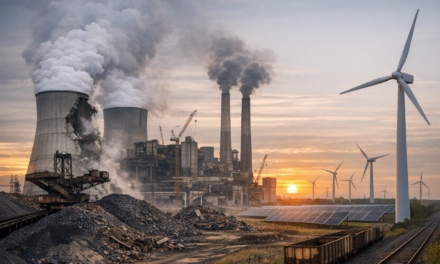
The global economy is deeply embedded with fossil fuels. The energy sector, transportation, industrial processes, and agriculture are all heavily reliant on carbon-intensive practices. Transitioning away from this entrenched system requires massive investment, technological innovation, and significant economic restructuring. This transition is not only costly but also faces powerful vested interests from industries that have profited from the status quo for decades. Lobbying efforts by fossil fuel companies and associated industries can influence policy decisions, delaying or weakening climate regulations.
The economic implications of ambitious climate action are often framed as a trade-off between environmental protection and economic growth. While numerous studies now demonstrate that green economies can be a source of growth and job creation, the perceived short-term costs of transitioning can be a powerful disincentive for governments, particularly in electorates that prioritize immediate economic concerns. For example, policies aimed at phasing out coal power, while crucial for emissions reduction, can lead to job losses in mining communities and require significant investment in retraining and alternative economic development, posing difficult political challenges for incumbent governments.
Political cycles further complicate long-term climate planning. Governments typically operate on election cycles of four to five years, making it difficult to implement and sustain policies that may only yield significant results over decades. The long-term nature of climate change requires consistent, sustained policy commitment that can outlast individual political administrations. This is particularly true for large-scale infrastructure projects, such as renewable energy grids or climate-resilient urban planning, which require stable, long-term investment frameworks.
Nationalism and geopolitical competition also play a role. In an era of increasing geopolitical tension, countries may be reluctant to commit to deep emissions cuts if they perceive it as undermining their economic competitiveness or national security relative to other nations. The race for critical minerals needed for renewable energy technologies, for instance, can create new geopolitical rivalries, potentially diverting attention from broader cooperation.
Technological and Innovation Gaps
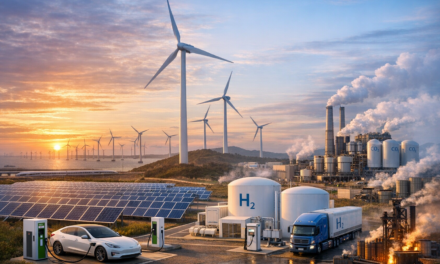
While technological advancements have been crucial in making renewable energy sources like solar and wind power more cost-effective and accessible, significant technological challenges remain. Developing and deploying scalable solutions for hard-to-abate sectors, such as aviation, shipping, and heavy industry, requires further innovation. Carbon capture, utilization, and storage (CCUS) technologies, while promising, are still largely unproven at scale and face economic and practical hurdles.
The equitable distribution of technology is another structural challenge. Developing countries often lack the financial resources and technical expertise to adopt and adapt advanced clean technologies, leading to a widening technological divide. While technology transfer agreements exist, they are often complex, expensive, and subject to intellectual property rights, hindering widespread adoption. By 2026, while the deployment of electric vehicles is rapidly increasing in developed nations, their accessibility and affordability in many parts of the Global South remain limited, slowing the transition away from fossil fuel-dependent transportation.
Moreover, the infrastructure required to support a low-carbon economy is immense. This includes upgrading electricity grids to handle the intermittency of renewables, building charging infrastructure for electric vehicles, and developing sustainable supply chains for critical materials. The sheer scale and cost of this infrastructure overhaul, combined with the need for coordinated planning and investment across multiple sectors and borders, represent a profound structural challenge.
Social Equity and Climate Justice
The impacts of climate change and the burden of climate action are not evenly distributed across societies. Vulnerable populations, including low-income communities, Indigenous peoples, and marginalized groups, are often disproportionately affected by climate impacts due to their geographical location, limited resources, and historical marginalization. Simultaneously, the transition to a low-carbon economy, if not managed equitably, could create new forms of social and economic inequality. For example, policies that increase energy prices without adequate social safety nets can disproportionately burden low-income households.
The concept of climate justice, which advocates for a fair and equitable distribution of the burdens and benefits of climate action, is gaining prominence. However, translating this principle into concrete policy remains a significant challenge. Ensuring that climate solutions do not exacerbate existing inequalities requires careful policy design, inclusive stakeholder engagement, and a commitment to addressing historical injustices. By 2026, the discourse on climate justice is more robust, yet its practical implementation in global and national climate strategies is still evolving, often lagging behind the urgency of the crisis.
The displacement and migration caused by climate change also pose significant challenges. As sea levels rise and extreme weather events become more common, large populations may be forced to migrate, both internally and across borders. Managing these climate-induced migrations in a humane and orderly manner, while addressing the needs of both migrants and host communities, requires international cooperation and robust legal frameworks that are currently underdeveloped.
Conclusion
The year 2026 finds the world confronting a climate system in rapid transformation, marked by increasingly severe and pervasive impacts. The response to this crisis, however, is hampered by deeply entrenched structural challenges. The architecture of international governance, characterized by national sovereignty and diverse interests, struggles to achieve unified and ambitious action. Economic inertia, fueled by vested interests and the perceived trade-offs between environmental protection and immediate growth, slows the necessary transition away from fossil fuels. Technological gaps and the equitable distribution of innovation remain significant obstacles. Furthermore, the imperative for social equity and climate justice demands that solutions be fair and inclusive, addressing the disproportionate impacts on vulnerable populations and ensuring that the transition to a low-carbon economy does not create new inequalities. Overcoming these challenges will require not just scientific and technological breakthroughs, but a fundamental re-evaluation of global cooperation, economic models, and the political will to prioritize long-term planetary health and human well-being over short-term interests. The path forward demands a more robust, equitable, and unified global effort to navigate the complexities of contemporary climate transformations.
Bibliography:
IPCC Sixth Assessment Report – AR6, Climate Change 2023: Synthesis Report, Intergovernmental Panel on Climate Change, Geneva, 2023;
UNEP Emissions Gap Report, Broken Record: Temperatures Hit New Highs, Yet World Fails to Cut Emissions, United Nations Environment Programme, Nairobi, 2023;
World Bank Climate Change Action Plan, 2021–2025: Supporting Green, Resilient and Inclusive Development, World Bank Group, Washington DC, 2021;
IPCC Special Report on Global Warming of 1.5°C, Intergovernmental Panel on Climate Change, Geneva, 2018;
UNFCCC NDC Synthesis Report, United Nations Framework Convention on Climate Change, Bonn, 2023;
OECD Climate Finance and the USD 100 Billion Goal, Organisation for Economic Co‑operation and Development, Paris, 2023;
IPCC Working Group II Report, Impacts, Adaptation and Vulnerability, Intergovernmental Panel on Climate Change, Geneva, 2022.
References:
https://www.nature.com/articles/s44168-024-00133-1
https://www.nationalacademies.org/projects/DELS-BASCPR-23-02
https://pmc.ncbi.nlm.nih.gov/articles/PMC12496045/
https://www.sciencedirect.com/science/article/pii/S2589811622000325
https://www.climatepolicyinitiative.org/publication/global-landscape-of-climate-finance-2025/
https://iopscience.iop.org/article/10.1088/2634-4505/adab17
https://pmc.ncbi.nlm.nih.gov/articles/PMC11336461/
https://pmc.ncbi.nlm.nih.gov/articles/PMC10585315/
https://www.sciencedirect.com/science/article/pii/S2589811622000325
https://science.nasa.gov/climate-change/scientific-consensus/
https://pmc.ncbi.nlm.nih.gov/articles/PMC12615690/
https://www.ipcc.ch/report/ar6/wg3/chapter/chapter-14/
https://pmc.ncbi.nlm.nih.gov/articles/PMC7708567/
https://www.nature.com/articles/s44168-025-00224-7
https://www.sciencedirect.com/science/article/pii/S2666660X25000829