
Sustainability is the central theme
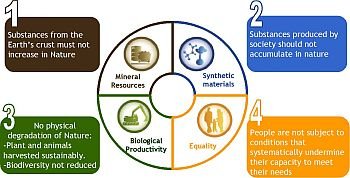
Sustainability is the ability of the earth’s various natural systems and human cultural systems and economies to survive and adapt to changing environmental conditions indefinitely.
It is the central theme of the environment sciences nowadays. Let us look more closely at sustainability. A critical component is natural capital-the natural resources and natural services provided by nature that keep us and other species alive and support our economies. Natural resources are materials and energy in nature that are essential or useful to humans. These resources are often classified as renewable (such as air, water, soil, plants, and wind) or nonrenewable (such as copper, oil, and coal). Natural services are functions of nature, such as purification of air and water, which support life and human economies.
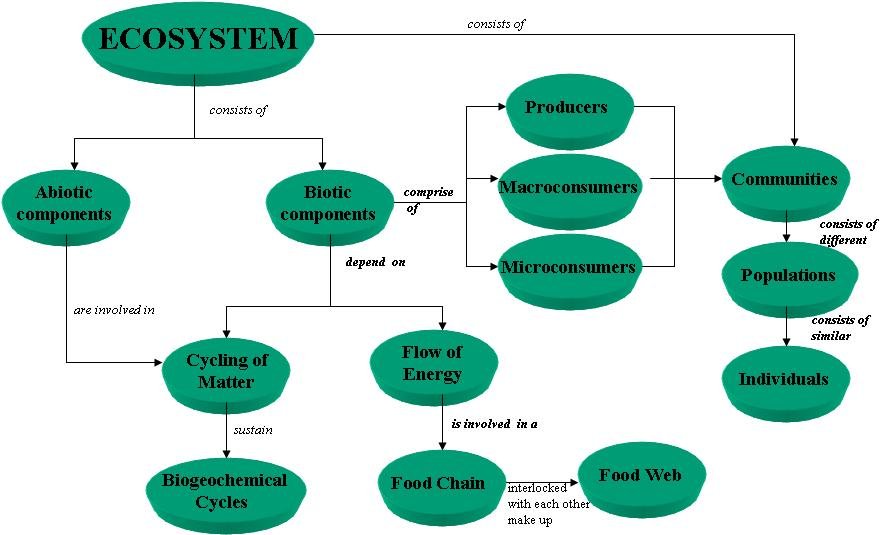
A critical natural service is nutrient cycling, the circulation of chemicals necessary for life from the environment (mostly soil and water) through organisms and back to the environment. Without this service, life as we know it could not exist.
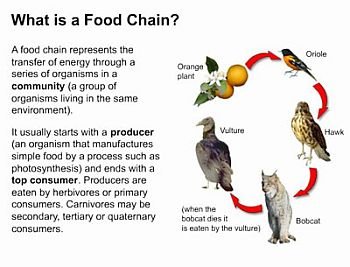
Natural capital is supported by solar capital: energy from the sun that warms the planet and supports photosynthesis-a complex chemical process that plants use to provide food for themselves and for us and other animals. This direct input of solar energy also produces indirect forms of renewable solar energy such as wind, flowing water, and biofuels made from plants and plant residues. Thus, our lives and economies depend on energy from the sun (solar capital) and natural resources and natural services (natural capital) provided by the earth.
A second component of sustainability is to recognize that many human activities can degrade natural capital by using normally renewable resources faster than nature can renew them. For example, in parts of the world we are clearing mature forests much faster than nature can replenish them. We are also harvesting many species of ocean fish faster than they can replenish themselves. This leads us to the third component of sustainability: the scientific search for solutions to these and other environmental problems. Implementing such solutions involves using our economic and political systems. For example, scientific solutions might be to stop clear cutting biologically diverse, mature forests, and to harvest fish species no faster than they can replenish themselves. Implementing such solutions would probably require government laws and regulations.
The search for solutions often involves conflicts. Thus, another component of the shift toward sustainability involves trying to resolve these conflicts by making trade-offs, or compromises. To provide wood and paper, for example, paper companies can plant tree farms in areas that have already been cleared or degraded, in exchange for preserving mature forests.
Any shift toward environmental sustainability should be based on scientific concepts and results that are widely accepted by experts in a particular field. Individuals vary widely in their abilities, but everyone can contribute to finding and implementing solutions to environmental problems. Some people are good at thinking of new ideas and inventing innovative technological solutions. Others are good at putting politic pressure on government officials and business leaders, acting either alone or in groups to implement those solutions.
Still others know how to be wise consumers who vote with their pocketbooks to help bring about environmental and social change. Regardless, every individual is as important as the next in bringing about a shift toward sustainability.